Castle Rock, Epic, Hemdale and Carolco what did they all have in common? The answer is simple, they all were independent studios that made films without any executive meddling by Hollywood or major film companies. The biggest issue was financing, as back then not many North American banks were willing to loan money to independent filmmakers. What was the solution to this dilemma? It was an easy answer, find a foreign creditor. In this blog post we are going to discuss how a historical bank made and broke its clients through debt and high interest.

But, for now we admire the architecture.

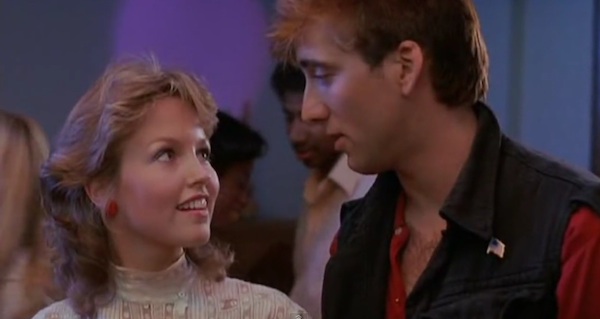
That’s where we go to Crédit Lyonnais Bank, a French-state bank, CL had already dabbled in film-making as it had launched and managed Atlantic Releasing Corporation a.k.a Atlantic Entertainment Group. The company was most famous for its foreign productions. By 1983 the company shifted its focus to small budget indie films including the theatrical release “Valley Girl” which starred Deborah Foreman and Nicolas Cage. The movie essentially took the plot of William Shakespeare’s “Romeo & Juliet” and retold it in then modern day Valley California. The film was produced on a budget of $350,000 USD, and was able to earn $17,343,596 at the box office. The film turned a profit for both ARC and the bank.
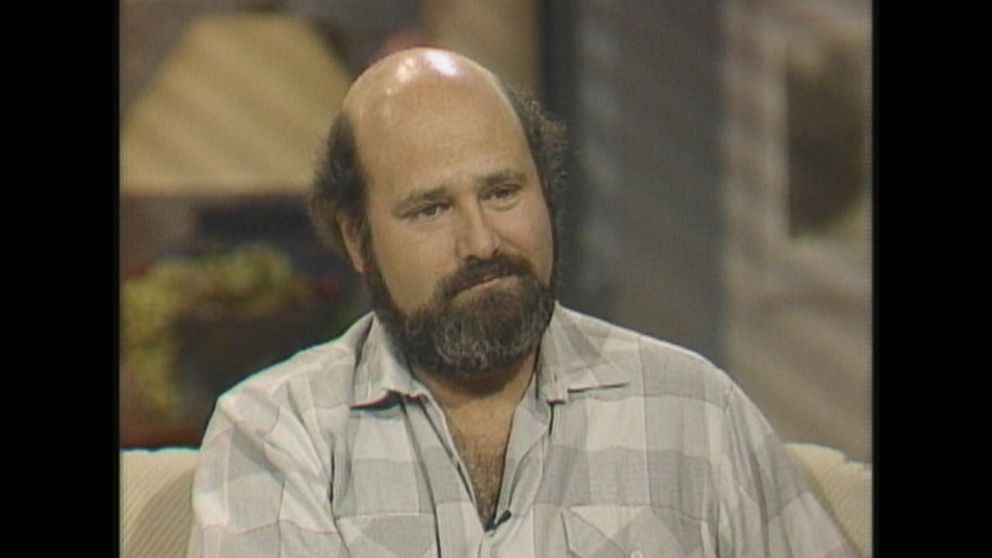
Rob Reiner had just come off the success of “All in the Family”, and tried his hand at film directing. In 1984 he released “This Is Spinal Tap” a mockumentary film, that satirizes the behavior and musical pretensions of rock bands and the hagiographic tendencies of rock documentaries such as “Gimmee Shelter” and “The Last Waltz” After the success of his second film “The Sure Thing” a film starring John Cusack he tried his hand at adapting the works of Stephen King. After purchasing film rights to the novella “The Body”, the project was stalled. This was because it was originally set up by Embassy Film Associates, who at the time had been sold to The Coca-Cola Company.
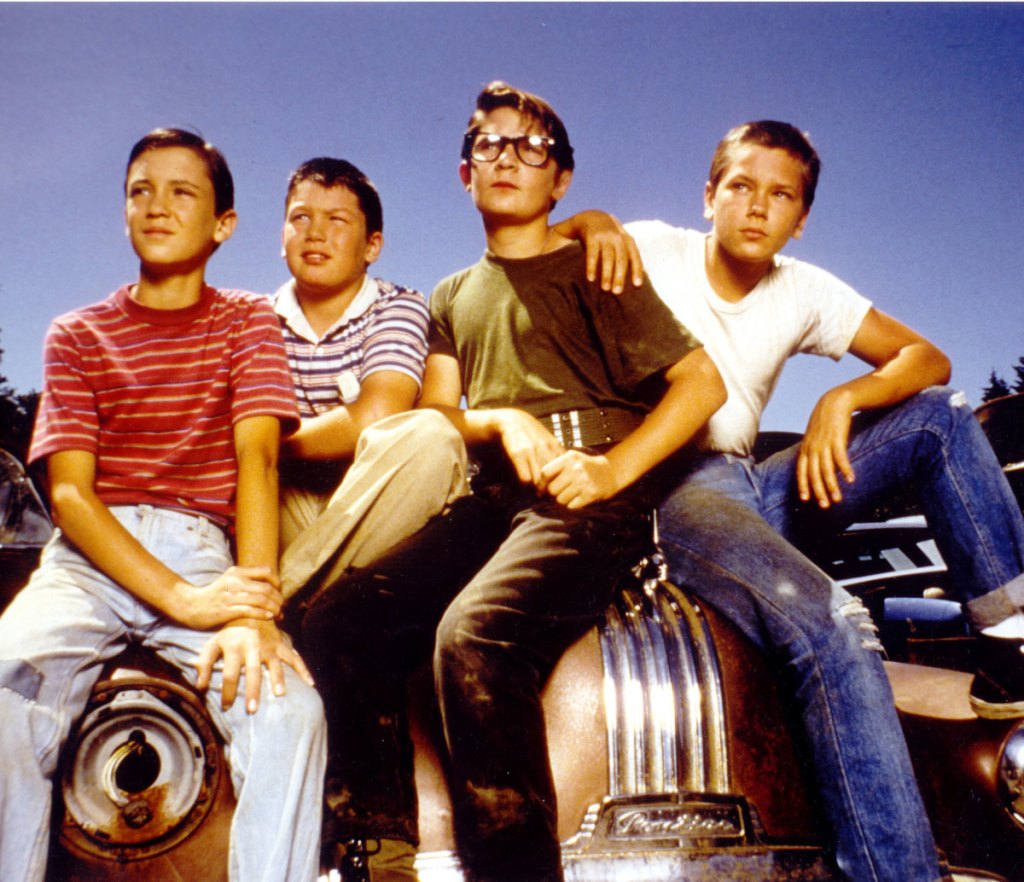
The film was titled “Stand by Me”, seeing as Reiner was displeased with the original title as he worried it’d alienate audiences. Initially, Columbia wanted to cancel the film but thanks to the efforts of television sitcom veteran Norman Lear the film was completed. The only challenge that was present was finding a distributor, seeing as it was completed Embassy would wind up as the distributor. A film print was shown to Michael Ovitz, head of the Creative Artists Agency and he agreed to find a distributor.
After attempts to sell the rights to Paramount Pictures, Universal Studios and Warner Bros., Columbia Pictures ended up distributing the film after production head Guy McElwaine had screened the film and was convinced due to the positive reaction from his daughters. On August 22, 1986 the film opened wide to critical acclaim. An $8 million budget, and a $52.3 million box office convinced Reiner that he could establish his own production company. “Hoosiers” also opened that year and proved to be successful for both Hemdale Film Corp and US distributor Orion.
The following year Reiner launched Castle Rock Entertainment, with the help of Andrew Scheinman, Glenn Padnick and Alan Horn. The company received financial backing from The Coca-Cola Company via Columbia Pictures, who also agreed to pay for North American theatrical distribution as well as marketing. Unable to get funding necessary for filmmaking, Reiner looked to two companies for financial aid. Group W and Nelson Entertainment. In the end Nelson Entertainment would help co-finance Castle Rock pictures. 1987 also saw another theatrical success for an indie film “Dirty Dancing” released by Vestron Pictures brought in $214.6 million on a $5 million budget.
Nelson Entertainment was a division of Nelson Holdings International, Inc. a Canadian holding company. The division formed in 1985 after the acquisition of Galactic Films and the company was ran by film producer Barry Spikings, and financier Richard Northcott. In 1986 when Embassy Communications’ assets were divided, Spikings and Northcott acquired the home video division from Coca-Cola for $85 million. This acquisition allowed Nelson to have the home video rights to an abundance of titles from Embassy including a few foreign titles they had acquired for North American release. Through this acquisition Nelson was able to get the rights to “A Chorus Line”, “The Graduate” and John Carpenter’s cult classic “Escape From New York”, and was able to resell these titles at cheaper prices through sell-through promotions.
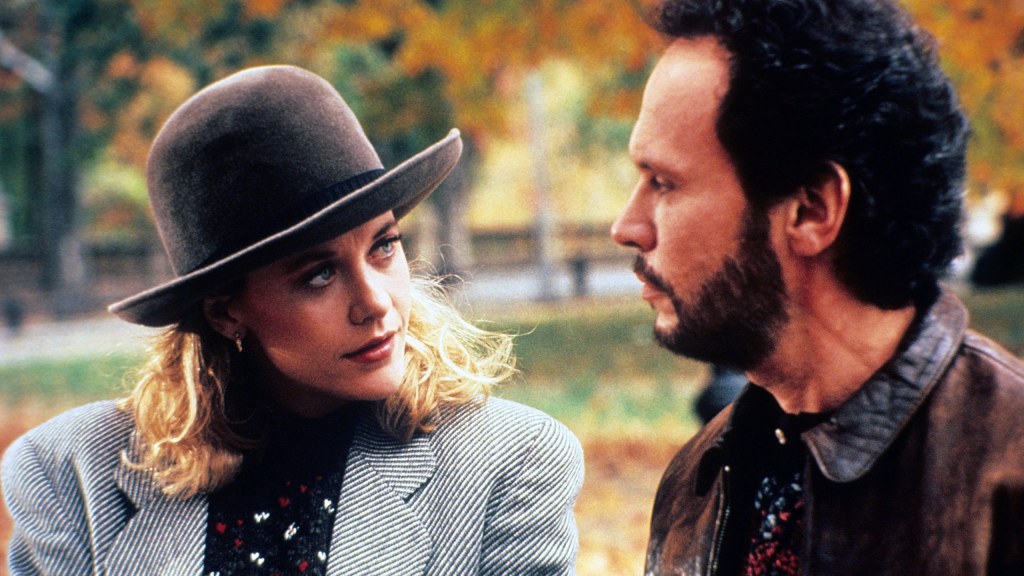
The Castle Rock-Nelson deal allowed Nelson to handle the home video, international rights to the films CR released. Nelson also handled the home video sales for Reiner’s 1987 film “The Princess Bride.” Probably the most well-known film to come from Castle Rock and Nelson’s deal is the 1989 romantic-comedy “When Harry Met Sally…” which stars Billy Crystal and Meg Ryan. This would be one of the few films that would turn a profit for Castle Rock, Nelson and Crédit Lyonnais. This would also be the year De Laurentiis Entertainment Group would foreclose due to bankruptcy. Nelson would also reach an agreement with Orion Pictures for a few films as well as home video sales for past and future Nelson titles.
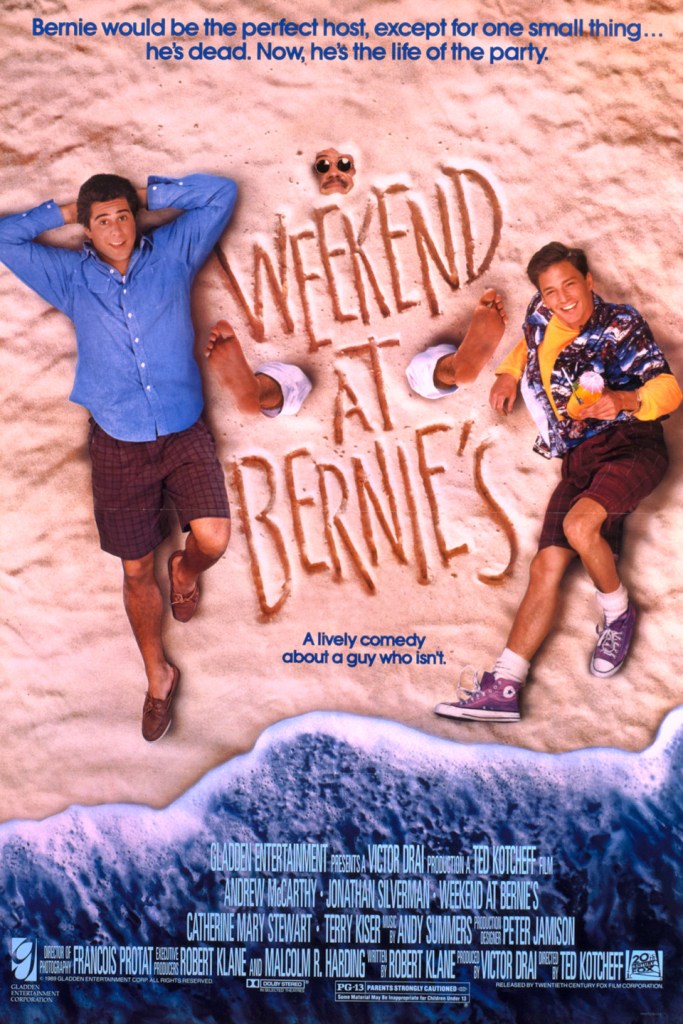
Another 1989 hit was the slapstick screwball comedy “Weekend at Bernie’s”, which managed to earn back $30 million on a $15 million budget. Coming from Gladden Entertainment Corp., a company that was ran by David Begelman who had taken full control of the company in 1984 renaming it from Sherwood Productions. 1993 would be a troubled year for the company, but we will discuss that later. 1989 also saw a modest box office run for “All Dogs Go to Heaven” a Don Bluth animated film funded by United Artists. Many other notable films to come from this era included “Rambo” as well as “The Terminator” and “Troop Beverly Hillis”, while the first two were successful the other wasn’t but has become a cult classic over the years.
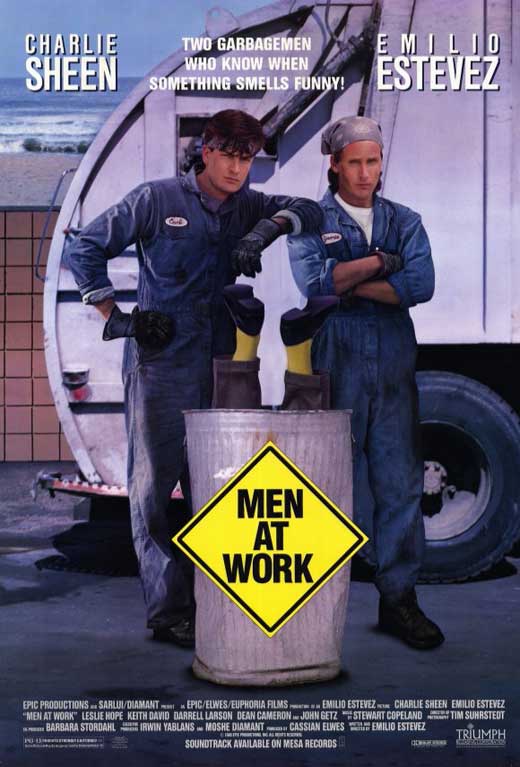
1990 would see another indie studio turn a profit, as Epic Productions’ “Men at Work” opened on August 24, 1990. Distributed by Sony Pictures’ boutique label Triumph Releasing Corporation. The film would feature real life siblings Charlie Sheen and Emilio Estevez as two sanitation engineers who try to cover up a murder and end up discovering that it was caused by an environmental disaster. Other 1990s hits included “Misery” (Castle Rock), “Total Recall” (Carolco) and “Teenage Mutant Ninja Turtles” (New Line Cinema)
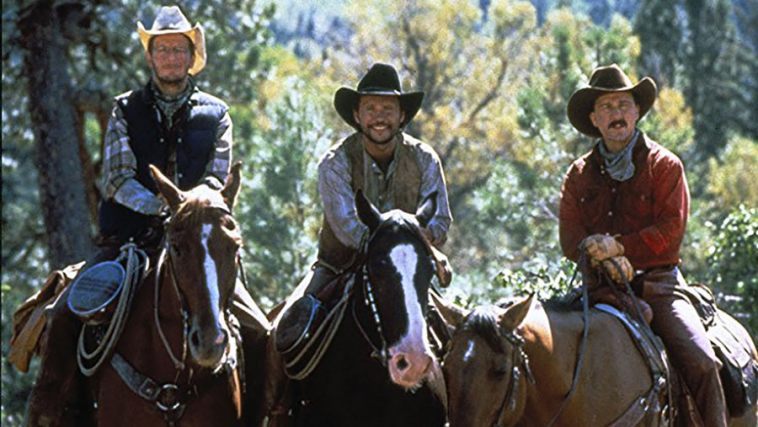
By 1991, Crédit Lyonnais had been able to loan out money to more than five studios, including Hemdale, Weintraub, and even Trans World Entertainment. This would also be the year that the bank would push a merger involving Nelson, and New Line. “City Slickers” also made its theatrical debut on June 7 that year. Produced on a budget of $26 million, it broke the box office with $180 million in revenue. Proving to be another hit film for Castle Rock. It would also be the final Castle Rock film to bear the Nelson name, as the company abruptly re-branded as Sultan and sold its assets to New Line Cinema.
1991 also saw the fall of Vestron, a client of the bank. However, through a successful chapter 11 bankruptcy the company merged with IVE Entertainment (who held home video rights to the Sherwood/Gladden library) to form Live Entertainment. Other films to come out in the year included “Late for Dinner” (Castle Rock) and “The Taking of Beverly Hills” (Nelson) but these films failed to make a profit. A string of box office failures put the fate of Nelson’s catalog into bad standings. 1992 would later see the release of what is now a highly controversial political film “Bob Roberts”
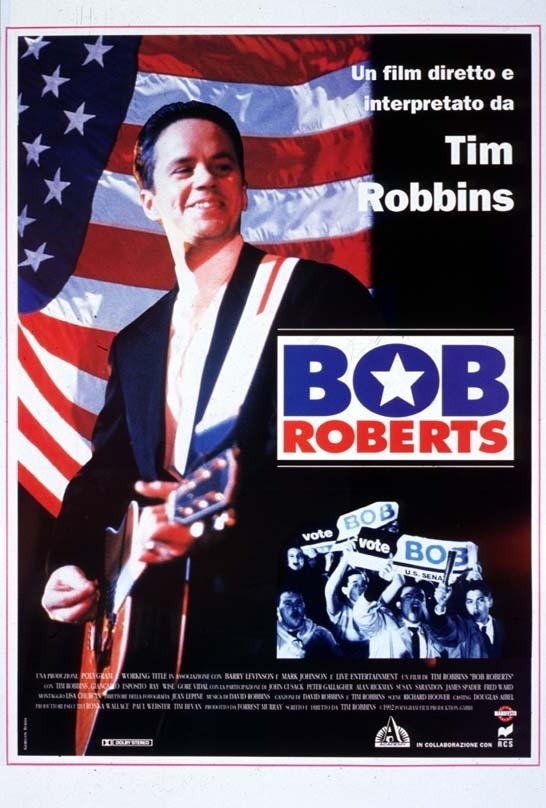
“Bob Roberts” was not a financial success, but it was critically acclaimed. The film was a loss for PolyGram Film Productions, Miramax, Live and its North American distributor Paramount Pictures. 1992 also saw a bad year for Castle Rock, its only film to turn a profit was “A Few Good Men” which was co-produced by Columbia. The box office sales for “Year of the Comet”, “Honeymoon in Vegas” and “Mr. Saturday Night” were underwhelming among the company’s ongoing debt. Competition from films like “The Player” (Fine Line Features) as well as “A League of their Own” (Columbia Pictures) were a key factor as well.
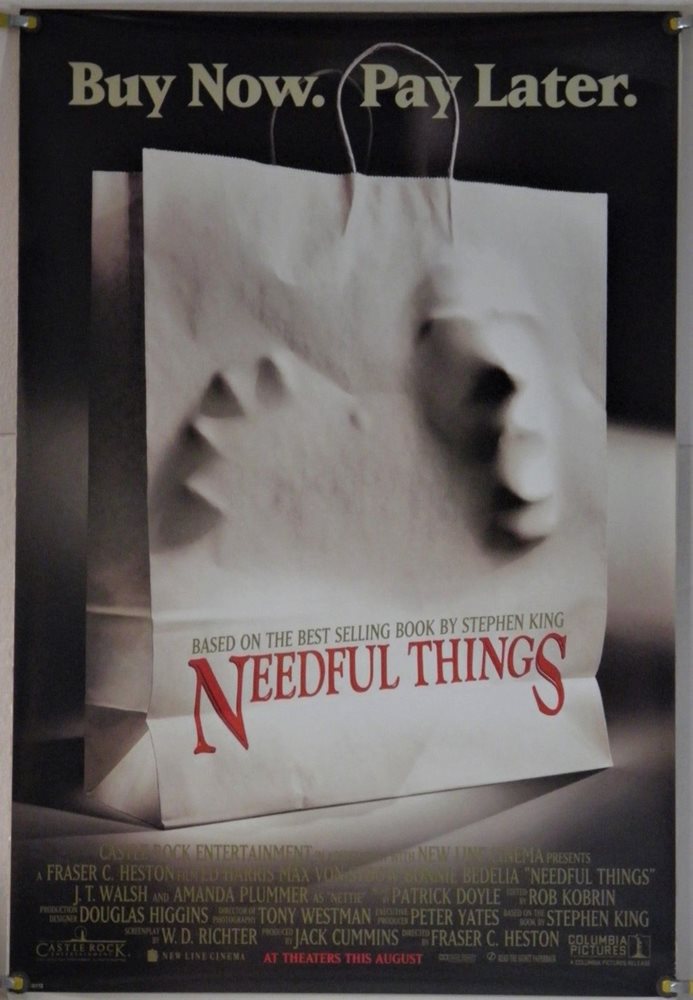
1993 saw another crippling year for independent filmmakers. Of the films to come from Castle Rock this year were “Amos & Andrew”, “In the Line of Fire”, “Malice” and “Josh and S.A.M” as well as “Orlando” from competitor Sony Pictures Classics. “In the Line of Fire” (a co-production with Columbia Pictures) and “Malice” were both a success, while “Josh and S.A.M” was not. As of 2019 it is Castle Rock’s lowest grossing film at the box office. 1993 also saw a change in both Castle Rock and New Line Cinema. Both were acquired by Turner Broadcasting System, and were finally free from the deal with Crédit Lyonnais. Also beginning that year Epic Productions would begin to acquire titles from defunct clients of the bank in exchange for debt forgiveness.
I hope you enjoyed my rambling about the bank and its successful way of getting clients. In the next segment I will discuss what happened after the bank itself fell into trouble. Stay tuned…
 Bestower of Film Knowledge