
Hello and welcome back to another article.
In this article we will discuss the short-lived independent film company Savoy Pictures, Inc. Launched in 1992 Savoy Pictures was founded by Victor A. Kaufman, the former chairman of Columbia Pictures Entertainment. Running the company with him was Lewis J. Korman. Savoy’s namesake is said to have come from the Savoy Special bat Robert Redford’s character used in The Natural. Savoy was mainly set up to compete with independent companies like New Line Cinema and Miramax Film Corp. In 1993 Savoy released its very first feature film titled A Bronx Tale.

A Bronx Tale is based off Chazz Palminteri’s 1989 play of the same name. It stars Robert DeNiro, Chazz Palminteri himself (who also wrote the screenplay) and Lillio Brancato, Jr. While the film achieved minimal commercial success it fared better with the critics. Was nominated for three awards and ended up winning one. The film’s plot is about a boy who grows up in the Bronx, and his father tries to steer him clear of the local gang.

The next tile to come from Savoy was not a title they had any involvement in, “Shadowlands” was merely distributed in North America by the company. Spelling Films produced the movie and the UK distributor was Paramount Pictures. Similar to Bronx, Shadowlands was also based off a play. Starring Anthony Hopkins (Silence of the Lambs) and Debra Winger (An Officer and a Gentleman). The film’s plot is about the relationship between academic C. S. Lewis and American poet Joy Davidman, her death from cancer, and how this challenged Lewis’s Christian faith. The film only grossed $3,842,377 over its budget, yet received critical acclaim.

Another title to be merely distributed by Savoy was “Lightning Jack”, starring Paul Hogan (Crocodile Dundee), Cuba Gooding, Jr. (Radio) and Beverly D’Angelo (Vegas Vacation). The film itself was produced by Village Roadshow Pictures, while international distribution was handled by Disney’s Buena Vista International arm. While the budget is currently not applicable, the box office sales only came out to $16,821,273 and the film was critically panned. In order to finance films Savoy also branched out into television stations, creating SF Broadcasting as a venture with Fox Television Stations, with Kaufman and Korman owning controlling interest. Savoy also launched its own television production company.

The next title to come from Savoy was the 1994 satirical dark comedy “Serial Mom” by director John Waters. Waters was known for farcical films and while most were not very appropriate this one was tame compared to his earlier works. The film starred Kathleen Turner (Who Framed Roger Rabbit), Ricki Lake (Hairspray) and Matthew Lillard (Scooby-Doo) Despite only earning $7.8 million on an $11 million budget, the film was critically acclaimed and has gone onto be a cult classic.

The next film to come from the company was the action/science fiction film “No Escape”, starring Ray Liotta (Turbulence), Lance Henriksen, Stuart Wilson and Kevin Dillon. The film was co-produced by Pacific Western, and distributed internationally by Columbia Pictures. Another box office failure due to making only $15.3 million against a $20 million budget. The film was also critically panned, but was successful enough to spawn a video game.
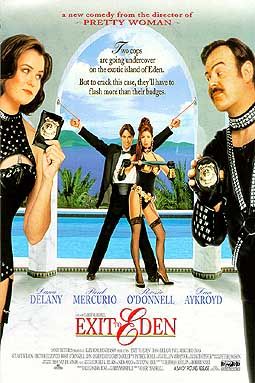
“Exit to Eden” was the next release to come from Savoy. Based on the book of the same name, the movie features sexual undertones including the BDSM kink. The film starred Dana Delaney, Paul Mercurio, Rosie O’Donnell (Another Stakeout) and Dan Aykroyd (My Girl). With a budget of $25-30 million it was another failure as it only recouped $6,841,570 in box office revenue. However, the film has risen to cult status over the years.

“The Walking Dead”, no not the very much loved AMC series was the next release from Savoy. A war film that starred Allen Payne, Joe Morton and Eddie Griffin. The budget is unknown at the moment, and the revenue in box office sales is reportedly $6,014,341. Speculating another box office flop.
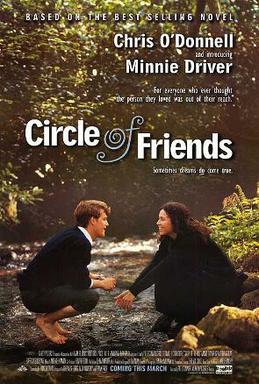
“Circle of Friends” based on the best-selling novel was a surprising box office hit, another title Savoy merely distributed in the US. Grossing $45 million against its $15 budget. The film starred Chris O’Donnell (The Bachelor), Colin Firth (The King’s Speech) and Minnie Driver (TV’s Speechless)
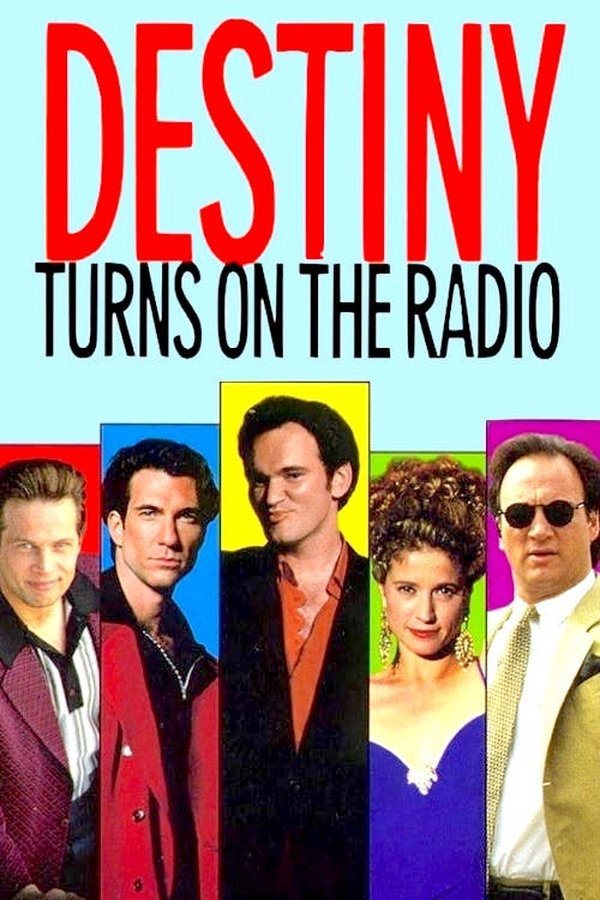
The next title is one of a few films Savoy distributed in a deal with Rysher Entertainment n.k.a Vine Rysher Company LP. Starring Dylan McDermott, Nancy Travis (So I Married an Axe Murderer), Jim Belushi (Race the Sun), and James LeGros. The film was a financial disaster for both Savoy and Rysher as it had only earned $1,176,982 at the box office. The film was never released onto DVD or Blu-Ray, but it is available to stream from Paramount Pictures whom is the current distributor for Vine Rysher content.

The next title was “Tales from the Hood” a horror flick, that featured four segments about short urban-themed horror stories based on problem concepts that affect the African-American community in the order of police corruption, domestic abuse, institutional racism and gang violence; all presented within a frame story of three drug dealers buying some “found” drugs from an eccentric and story-prone funeral director.and an ensemble cast. Grossing $11.8 million on a $6 million budget, the film has risen to cult status over the years.

“Dr. Jekyll and Ms. Hyde” was the next release from Savoy, and starred Sean Young (Ace Ventura: Pet Detective), Tim Daly (Year of the Comet), Lysette Anthony and Harvey Fierstein (Mrs. Doubtfire) A British-Canadian-American comedy film which was produced on an $8 million budget, the movie flopped after its total revenue came to $3,039,634. The film also suffered negative critical reception.

The next film was the second in the Rysher deal, called “The Show” which was an American documentary film. Which featured interviews of some of hip hop’s biggest names, and narrated by Def Jam Records founder Russell Simmons who also starred in the film. Another financial flop for both companies as it earned only $2,702,578.

“Last of the Dogmen” was the next release and was distributed outside the US by Pathé. It starred Tom Berenger, Barbara Hershey (Beaches) and Kurtwood Smith (TV’s That ’70s Show), and features narration by Wilford Brimley. The film’s budget is not known at the moment but it is speculated to be a box-office flop as it only earned $7,024,389. Causing both Savoy and Pathé to lose money.
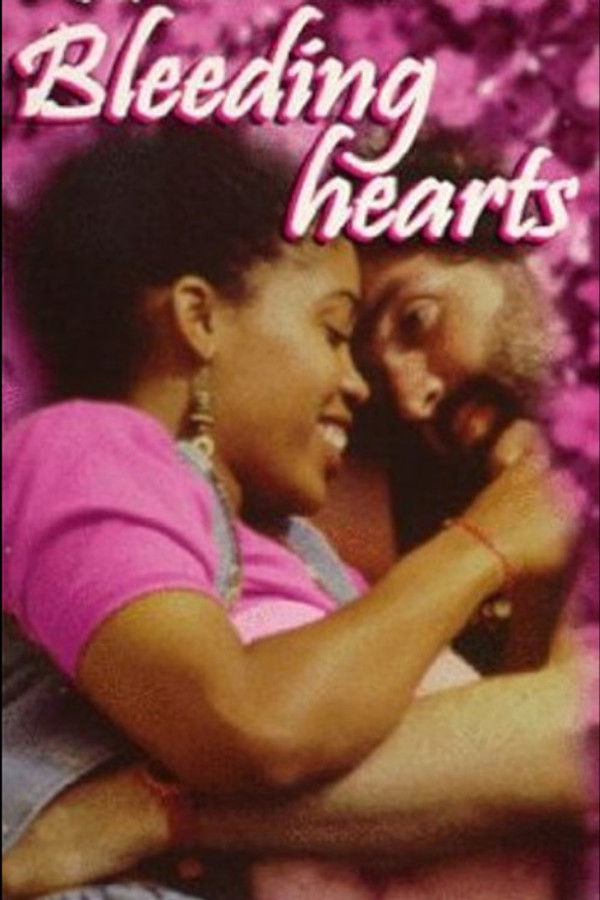
“Bleeding Hearts” was the next release, but there currently is no information the budget or the box office revenue. It is widely speculated that the film’s information is not known because it depicts racial undertones. However, as of 2017 Focus Features has not made any intention to release this film.

“Steal Big, Steal Little” was Savoy’s next title to be released. Featuring Andy Garcia, and Alan Arkin in dual roles and an ensemble cast featuring David Ogden Steirs (Beauty and the Beast) and Holland Taylor (TV’s Two and a Half Men). The film was another box office disaster only bringing in $3,150,170 on a $35 million budget.

Another film in the Rysher deal was “Three Wishes” which was directed by Martha Coolidge (Valley Girl). The film features Patrick Swayze (To Wong Foo Thanks For Everything, Julie Newmarr), Mary Elizabeth Mastrantonio, and Joseph Mazzello. The film was a box office flop on a budget of $10 million, only bringing in $7,025,496.
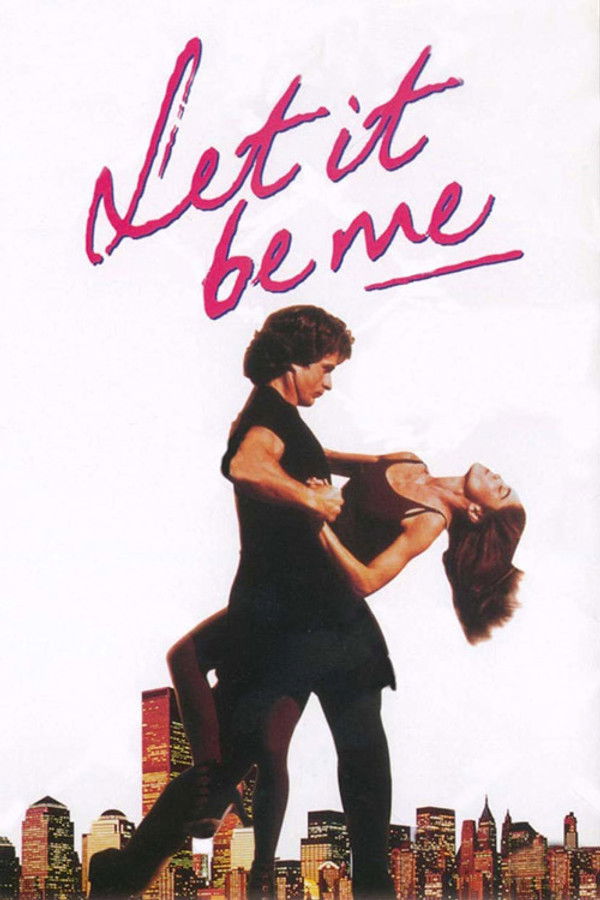
“Let it Be Me” was the next Savoy title to be released. starring Campbell Scott, Jennifer Beals, Yancy Butler, Leslie Caron, James Goodwin and Patrick Stewart. It was written and directed by Eleanor Bergstein. The film’s budget and box office revenue are currently unknown at the moment.

“White Man’s Burden” is the final film in the deal with Rysher Entertainment and co-produced with UCG (now owned by StudioCanal). Starring John Travolta (FaceOff), Harry Belafonte (Beetlejuice soundtrack) and Tom Bowler. The film was another financial disaster as it only brought in $3,760,525 against a $7 million budget. Rysher would later find itself in financial trouble two years later.
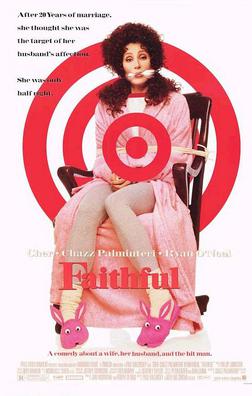
“Faithful” would be the next release from Savoy, and the first of many to be financed with aid from New Line Cinema. It starred Cher, and was based off the stage play of the same name. With a budget of $13 million the movie failed to recoup that budget only earning $2,104,439.

“A Thin Line Between Love and Hate” was the next Savoy film. Starring Martin Lawrence (who also co-wrote and directed the film), Lynn Whitfield, Regina King, and Bobby Brown. The film was a box office success as it earned $34.7 million against a budget of $8 million.
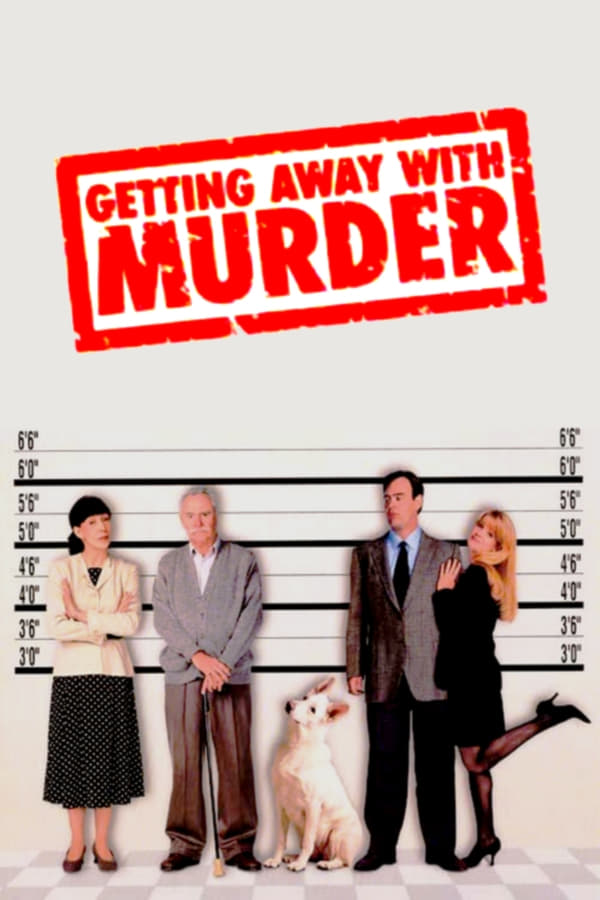
“Getting Away with Murder” would be the next release from Savoy. It starred Dan Aykroyd, Lily Tomlin (9 to 5) and Jack Lemmon. The budget is currently non-applicable, but the box office sales only made about $197, 322 making it a failure.

“Heaven’s Prisoners” would not fare much better at the box office. The movie was based on the novel of the same name by James Lee Burke, starred Alec Baldwin (The Marrying Man), Mary Stuart Masterson and Kelly Lynch. Despite earning $5, 009, 305 against a $25 million budget the film would spawn a sequel in 2009, titled “In the Electric Mist”

Savoy then tried its hand at a family friendly movie, “The Adventures of Pinocchio” which starred Martin Landau, Johnathan Taylor Thomas (The Lion King), and Rob Schneider. It would also be the first and only film co-produced by The Kushner-Locke Company, however New Line Cinema ended up owning it outright as Savoy was the international distributor. Another box office flop earning only $15, 094, 530 against a $25 million budget.
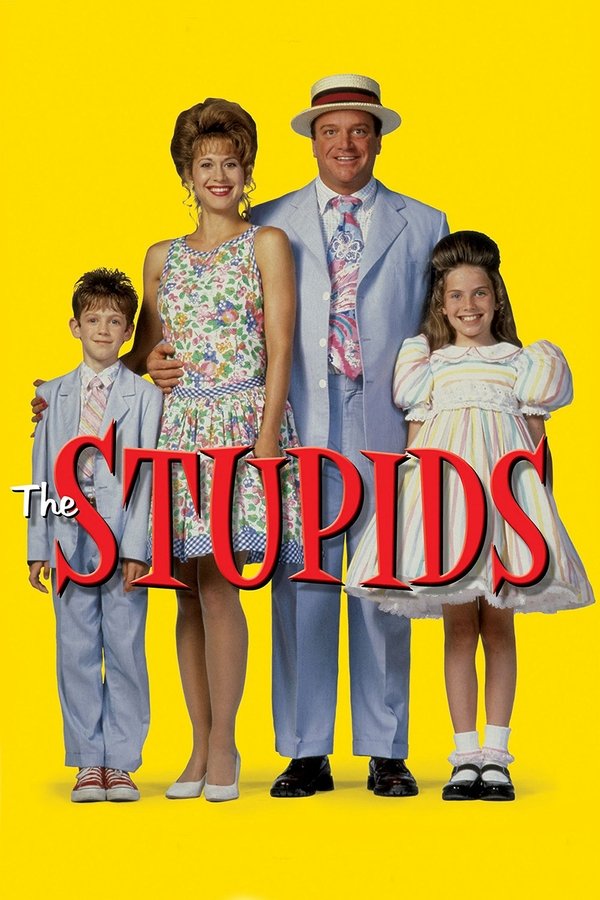
“The Stupids” would be the final Savoy title released by the company. Based on a series of books by Harry Allard, and starring Tom Arnold (McHale’s Navy), Jessica Lundy and Bug Hall (The Little Rascals). The film earned only $2,491,989 against a budget of $25 million. Making it a financial and critical failure, and would be the one film that would cause Savoy to close down.

“A Simple Plan” would be the last title to bear the Savoy name, amidst financial struggles the title was acquired by Paramount Pictures and co-produced by Mutual Film Company, BBC, Tele-München UGC-PH Toho-Towa/Marubeni and Newmarket Capital Group. It was also based on the book of the same name by Scott B. Smith, starring Bill Paxton (Twister), Billy Bob Thornton (Bad Santa) and Bridget Fonda. Grossing only $16.3 million against a $17 million budget.
Throughout its five year run the company managed to release 25 films, one of which was released at the time the company closed, most of which were not successful. So what went wrong? Initially the budget for films was set between $12-25 million investing in up to $15 million per year. There was also a lack of stability as its main competitors New Line Cinema and Miramax Film Corp. were bought out by majors, Turner Broadcasting and The Walt Disney Company, respectively. Savoy focused on low-budget films and the occasional blockbuster, costing up to $80 million. An attempt to lure Sylvester Stallone with a then-hefty $20 million paycheck to star in a studio project failed.
In January 1995 management changed and Robert N. Fried was brought in to run the motion picture studio. Fried brought in executives Alan Sokol, Bob Levin, Cathy Schulman, Stan Brooks, Stan Wlodkowski and filmmakers Sam Raimi, and George Tillman, Rob Weiss and Peter Chelsom. In September 1995, Kaufman announced that he was cutting back on his interest in the motion picture business and was re-positioning the company as a TV station holding company. In order to make money Savoy announced it would sell fourteen titles, six of which went to New Line Cinema and one to Paramount Pictures.
Then in December 1995 IAC/Interactive Corporation ran by Barry Diller announced its intentions to acquire the company. The deal was completed in 1997 and Savoy shut down as a studio and Victor Kaufman became Vice Chairman of the board of directors of IAC. Silver King Broadcasting later known as USA Broadcasting acquired the SF TV stations. Due to an ongoing deal with HBO set back in 1994 many of the Savoy titles were handled by it’s video division under a joint name HBO Savoy Video.

The deal with HBO only lasted for twelve years ,upon its expiration Universal Studios entered the picture. Acquiring nearly all of the Savoy content, and incorporating it into its art house/indie division, Focus Features. Although not every title has been re-issued through Focus the films are now legally held by Universal. Savoy’s copyrights are kept as in-name on its films and they are now accessible through video-on-demand services except for a few titles.
Savoy may not have last very long, but it was an ambitious company. Plagued with changes in managements a lack of stability and re-positioning. The remnants of the company are better off with Universal. Folding Savoy into Focus Features allowed for the studio to have a vast catalog of titles, among PolyGram, October Films and FilmDistrict. What do you think was the Universal acquisition a smart idea? Feel free to express your thoughts, and I’ll see you in the next blog post.
 Bestower of Film Knowledge