Be yourself; Everyone else is already taken.
— Oscar Wilde.
This is the first post on my new blog. I’m just getting this new blog going, so stay tuned for more. Subscribe below to get notified when I post new updates.
Be yourself; Everyone else is already taken.
— Oscar Wilde.
This is the first post on my new blog. I’m just getting this new blog going, so stay tuned for more. Subscribe below to get notified when I post new updates.

In today’s article we will take a look at a television syndicate turned motion picture company. Rysher Entertainment was founded in 1991 by Keith Samples. The company was named after his children Ryan and Sheridan. The company’s very first foray into television was the handling and selling of syndication rights to NBC’s tween sitcom Saved by the Bell. At the time NBC was barred from distributing the series due to fin-syn laws, a set of laws set by the FCC that forbade networks from distributing their own shows.

The deal with Saved by the Bell had worked so well that NBC allowed Rysher to distribute the show’s precursor a.k.a Season 0, Good Morning Miss Bliss, as well as future spin-offs. Through Rysher, season 0 was re-edited into episodes of Saved and was added to the syndication package that the company had sold to local affiliates. The success of this deal would later allow the company to handle another NBC series, California Dreams.

In 1993, Cox Enterprises acquired Rysher for $15 million which saw the company expand. It was merged with Television Program Enterprises (TPE) and took on the management of Bing Crosby Productions’ catalog. The merger with TPE allowed Rysher to produce and distribute a variety of shows that included “Star Search” and “Lifestyles of the Rich and Famous.” In 1995 the company prepared to launch its own theatrical film division.

Destiny Turns on the Radio was Rysher’s first theatrical film released on April 28, 1995 and the first of three in a deal with Savoy Pictures. The film was not a box office success, as it only grossed $1,176,982 at the box office and a budget is not applicable. The film never saw a DVD release, but it is available to stream through Paramount Pictures’ video-on-demand service.

The Show would be the next Rysher title, and the second distributed by Savoy Pictures. The film only brought in $2,702,578 at the box office citing another failure for Rysher and Savoy.

Three Wishes was another title in the Savoy deal, it only brought in $7,025,496 against a $10 million budget. Another box office failure but it did receive some positive reviews. With the film’s disappointing results at the box office Rysher began to rethink its Savoy deal.

It Takes Two was Rysher’s next title to be released in 1995. The film was part of the Olsen twins deal at Warner Bros. The movie is heavily inspired by the German novel Lottie and Lisa by Erich Kästner. Released on November 17, 1995 while the budget is non-applicable the movie only grossed $19.5 million. Citing another loss for Rysher, Warner Bros. never distributed another film from the company after this.

The final title in the Savoy distribution deal was White Man’s Burden it released on December 1, 1995 and only grossed $3,760,525 against a $7 million budget. The box office failure of this title signified that Savoy was not an adequate distributor and Rysher chose to end the agreement.

Next comes one of my favorite films from the company, Primal Fear which starred Richard Gere (An Officer and a Gentleman) and Edward Norton (Fight Club, umm… we can’t talk about this,okay?) The movie is based on the novel of the same name by William Diehl. But, wait this was not a disappointment. The film was co-produced by Paramount Pictures and it brought in $102.6 million against a $30 million budget. Making the movie a success for both companies.

Next comes probably one of Rysher’s more well known titles. “Kingpin” a co-production between them and Motion Picture Corporation of America. The first in a five title agreement with MGM/UA Distribution Co. The movie was directed by Peter and Bobby Farrely, the idiots who gave us Dumb and Dumber. Released on July 26, 1996, despite strong reviews the film didn’t meet box office expectations as it only grossed $32.5 million against its $25 million budget. MGM is partially to blame for this as the film wasn’t marketed enough and its release date was at the same time the Olympics had came on.

The next film was Escape from L.A., a sequel to John Carpenter’s cult classic Escape From New York. The film had Kurt Russell reprise his role as Snake from the first film. Released on August 9, 1996, Escape from L.A. grossed $25,477,365 from its $50 million budget, about as much as its predecessor but little more than half its significantly higher budget.

House Arrest was the next film to come from the company, it was distributed by MGM/UA Distribution Co. Released on August 7, 1996 the film only pulled in $7,032,782 against a $5 million budget. However, the film received a cult following over the years. Finding it is a challenge, the cheapest you can buy it is almost $35 on Amazon. Proving a box office flop isn’t necessarily a bad film.

The next title released by the company was Foxfire directed by Annette Haywood-Carter and loosely based off the novel by Joyce Carol Oates. It was the first in a deal with The Samuel Goldwyn Company, and was also a vehicle role for Angelina Jolie as the actress had previously played lesser known roles, up until the release of the film Hackers. The film was a sleeper hit at the time of its release on August 23, 1996. It also has gained a cult following among the LGBTQIA community as it openly depicts Jolie’s character Legs Sadovsky as a lesbian, as opposed to the novel which depicts her as an asexual feminist.

“Big Night” would be the next title to come from Rysher. It features a star studded cast including Stanley Tucci (Julie & Julia), Tony Shalhoub (Monk) and Minnie Driver (Tarzan.) The second film to be handled by The Samuel Goldwyn Company was released on September 26, 1996, though early screenings were shown on January 24, 1996 at the Sundance Film Festival. The movie was able to bring in $14.2 million against its $4 million budget, and was subject to favorable reviews.

2 Days in the Valley was the next film to be released by the company. It was distributed by MGM/UA Distribution Co and released on September 27, 1996. It is a film-noir that depicts 48 hours in the lives of a group of people in the San Fernando Valley who are drawn together by a murder. The film’s budget is not applicable but grossing $11,132,900 it is speculated that the movie is a box office flop, but reviews were positive especially the performance of Charlize Theron.
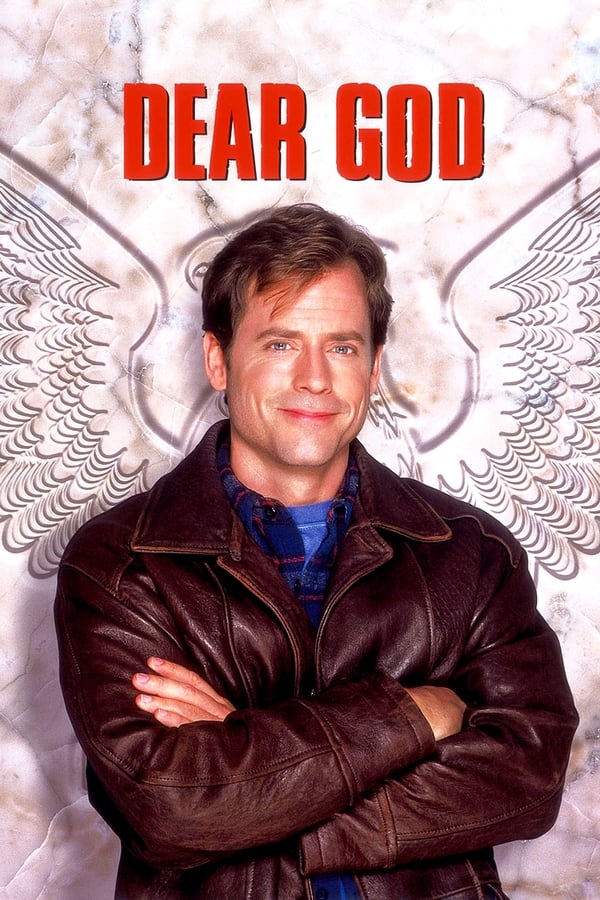
Rysher’s next film was a title called Dear God. It starred Greg Kinnear (Nurse Betty) and was distributed by Paramount Pictures and released on November 1, 1996. The film was both a box office and critical failure only bringing in $7,138,523 against its $22 million budget. Critically panned and savaged worse than Nora Ephron’s Mixed Nuts.

Rysher would then once again try its hand at a sequel film. The Evening Star was a sequel to Terms of Endearment. Released on December 25, 1996 it was a critical and commercial failure as it only grossed $12,767,815 against a $20 million budget. Releasing it Christmas Day may not have been a smart idea, as that is a day that many other competitors may release a film of their own.

Turbulence would be the next film to be released by Rysher and distributed through MGM/UA Distribution Co. Despite a $55 million budget, the film only pulled in $11.5 million citing another box office failure. Critics criticized the movie’s plot and the casting decision of Lauren Holly. Though most people have often compared it to “Die Hard” but with a female lead. Odd case though with home media releases, the film was shot in 2.35:1 but was matted down to 1.85:1 for the US DVD release. While the international releases preserved the aspect ratio, but it was not enhanced for 16×9 television screens.

Zeus and Roxanne was the final film in the distribution deal with MGM. Unlike, most of Rysher’s titles this and House Arrest were geared towards family audiences. The film’s budget is not applicable but it only earned $7.2 million at the box office. Despite being a commercial failure, the film received positive reception.

Hard Eight would be the last title released by The Samuel Goldwyn Company, but problems arose at the time of its release. The film was originally titled Sydney, and was intended to run longer. However, Rysher cut into the negatives and shorten the film’s ending and didn’t allow the director to have his own preference on the end credits. At the time of its release MGM acquired The Samuel Goldwyn Company, and it was renamed simply as Goldwyn Films. The film received an early release on January 20, 1996 at the Sundance Film Festival, and received a wide release on February 28, 1997. A budget of $3 million the movie only grossed $222,559, citing another financial loss for Rysher. Yet, it has developed a cult following through the years.

Private Parts would be Rysher’s next title and it was released through Paramount Pictures. The film is based off Howard Stern’s autobiographical novel. The film received an early release on February 27, 1997 at the Theater at Madison Square Garden, and was given a wide release on March 7, 1997. With a budget of $28 million it brought in $41.2 million and is often cited as one of the films that led to the shut down of Rysher’s theatrical arm.

The Saint would be the next film produced. It is loosely based on the character of Simon Templar created by Leslie Charteris in 1928. A series of books published as “The Saint”,ran until 1983. The character has also been featured in many movies made between 1938 and 1954, as well as a 1940s radio series starring Vincent Price (and others) as Templar, a popular British television series from the ’60s which starred Roger Moore, and finally a series from the ’70s which starred Ian Ogilvy. Relesing on April 4, 1997, $68-90 million is the estimate of the film’s budget, with a box office of $169.4 million it was a commercial success.
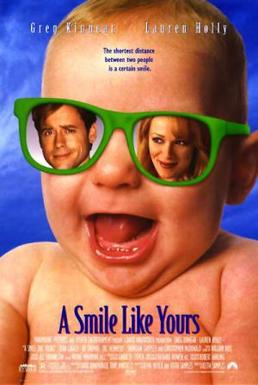
A Smile Like Yours was the next release from the company, it released on August 22, 1997. It only brought in $3,330,352 against an $18 million budget. Making it both a commercial and critical failure, and people often compared it to a sitcom rather than a theatrical film.

“Kiss the Girls” was Rysher’s next feature film. Based off James Patterson’s best-selling 1995 novel. With a budget of $27 million, it earned $60.5 million. The film was so successful that in 2001 Paramount Pictures produced and distributed a sequel titled “Along Came a Spider”

Switchback is the final film produced by Rysher Entertainment through the Paramount Pictures deal. Only bringing in $6.5 million against its $38 million budget, it was a commercial as well as a critical failure. The film was released on October 31, 1997 which was four months after Rysher decided to pull the plug on its theatrical film unit.
Rysher would be credited with two more feature films however. The Opposite of Sex which was completed after the company shut down its theatrical unit. Sony Pictures Classics picked up the movie for theatrical release, and Columbia TriStar Home Video handled the home media release. The film was shot on a budget of $5 million, but flopped only earning $6.4 million.
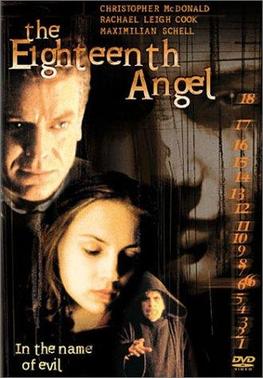
The Eighteenth Angel was the final film to come from Rysher, as it had sold other titles to various other companies. The film itself was not released theatrically, upon completion Columbia TriStar picked it up for distribution and released it on VHS and DVD. Although there was a release in Japan on December 6, 1997.
Rysher would officially exit the film industry after unsuccessful box office sales, and not being able to compete with majors, and the fact that several indie/art house studios had been bought by other companies i.e. Turner acquiring Castle Rock and MGM acquiring The Samuel Goldwyn Company. Rysher may have been down but it certainly was not out, continuing its success as a television syndicate and producer.

Nash Bridges is probably one of Rysher’s most successful shows. It was a police drama that starred Don Johnson as the titular character and featured Cheech Marin as his lieutenant. The show ran from March 29, 1996 to May 4, 2001, and was one of the company’s last shows to be produced alongside HBO shows Arli$$, the gritty police drama Oz and a short-lived court room show titled Judge Mills Lane. The HBO deal worked out so well that Rysher was allowed to internationally rep their series Sex and the City. Also, the Saved by the Bell deal paid off as Rysher not only handle the original syndication package, but a spin-off involving college years and a reboot featuring a new class.

Rysher’s on-screen identity came to an end as Cox Enterprises decided to divest its ownership in Paramount’s syndication stalwart Entertainment Tonight. As part of the deal Paramount Pictures would receive domestic and international distribution rights to the television and film library. The sale was not disclosed, but it had been proposed in 1997. Feeling that it was a good investment Cox decided to shut down Rysher’s operations, and Viacom would assume control of the company’s output. This deal allowed Paramount Television to handle the Bing Crosby Productions catalog which featured the cult classic sitcom Hogan’s Heroes as well as other content such as Ben Casey.

2001 saw a change for Rysher, the assets were sold to 2929 Entertainment. A media company ran by Todd Wagner and Mark Cuban, underneath this new company the library was able to add a reboot of Star Search to its catalog. However, 2929 couldn’t distribute any of the Rysher content due to the ongoing contract with Paramount Pictures and its television subsidiaries. This was also the year Nash Bridges left the air waves, the reason for its ending is unknown but it is speculated that a disagreement with CBS and Paramount Television is responsible. 2003 would be the final year for Rysher as its logo would cease to appear on international prints of Sex and the City.
In 2005 the assets were divided as Viacom and CBS decided to split into two separate entities. Viacom would acquire the film library, while CBS Corporation absorbed the television catalog. A year later Rysher was purchased along with Gaylord Films (What a Girl Wants) and Pandora Films (A Walk to Remember) by a media firm titled Qualia Capitol. Forming a media outlet known as Qualia Libraries Co, the library consisted of over 300 feature films and over 2,000 hours of television programming. The media firm would only last for five years, but allowed Paramount Pictures to still handle the sales and distribution of Rysher’s titles as well as allowing CBS to handle the television catalog.
However, in 2010 Rysher was forced to pay $50 million to actor Don Johnson because of a stipulation saying that he’d own 50% of Nash Bridges if the show exceeded 66 episodes. Which it did, as it ran for 122 episodes and Rysher had stiffed him the fifty percent of the show’s revenue. Rysher would later face a lawsuit involving Hogan’s Heroes and the WGA, but the judge suggested it would be up to the arbitrator to decide if the claim was meritorious. The case was later ruled in favor of the plaintiffs who won back the rights and ended a ten year litigation.

In 2011 Vine Alternative Investments had acquired Qualia Libraries Co. and it was integrated into Lakeshore Entertainment in 2015. Vine would later acquire Lakeshore’s library and international sales operations in 2019. The acquisition would put cult classics like Heathers, Kingpin and many others all under the same umbrella. Viacom and CBS would later re-merge to form ViacomCBS, thus reuniting the distribution rights to Rysher’s library. As for Rysher itself it now operates as a limited partnership for Vine under the name Vine Rysher Company LP, and serves as the trademark holder for Hogan’s Heroes despite ViacomCBS holding partial rights.
Rysher as a whole faced problems as soon as it became a big company. Cox Enterprises bought it as it ran into financial problems, and as it tried to build itself up as a competitor to major motion picture studios it failed as it didn’t have a solid distributor (where as Castle Rock had Columbia/Sony, Rysher used various third parties.) However, the company’s lucrative success as a television syndicate and producer would keep it thriving even in its final years. The company may no longer be around but its products are in good hands. That about wraps it up for this article, I hope you enjoyed it and I’ll see you in the next article. This is ZombieFilms93 signing out!

In this article we will discuss the short-lived independent film company Savoy Pictures, Inc. Launched in 1992 Savoy Pictures was founded by Victor A. Kaufman, the former chairman of Columbia Pictures Entertainment. Running the company with him was Lewis J. Korman. Savoy’s namesake is said to have come from the Savoy Special bat Robert Redford’s character used in The Natural. Savoy was mainly set up to compete with independent companies like New Line Cinema and Miramax Film Corp. In 1993 Savoy released its very first feature film titled A Bronx Tale.

A Bronx Tale is based off Chazz Palminteri’s 1989 play of the same name. It stars Robert DeNiro, Chazz Palminteri himself (who also wrote the screenplay) and Lillio Brancato, Jr. While the film achieved minimal commercial success it fared better with the critics. Was nominated for three awards and ended up winning one. The film’s plot is about a boy who grows up in the Bronx, and his father tries to steer him clear of the local gang.

The next tile to come from Savoy was not a title they had any involvement in, “Shadowlands” was merely distributed in North America by the company. Spelling Films produced the movie and the UK distributor was Paramount Pictures. Similar to Bronx, Shadowlands was also based off a play. Starring Anthony Hopkins (Silence of the Lambs) and Debra Winger (An Officer and a Gentleman). The film’s plot is about the relationship between academic C. S. Lewis and American poet Joy Davidman, her death from cancer, and how this challenged Lewis’s Christian faith. The film only grossed $3,842,377 over its budget, yet received critical acclaim.

Another title to be merely distributed by Savoy was “Lightning Jack”, starring Paul Hogan (Crocodile Dundee), Cuba Gooding, Jr. (Radio) and Beverly D’Angelo (Vegas Vacation). The film itself was produced by Village Roadshow Pictures, while international distribution was handled by Disney’s Buena Vista International arm. While the budget is currently not applicable, the box office sales only came out to $16,821,273 and the film was critically panned. In order to finance films Savoy also branched out into television stations, creating SF Broadcasting as a venture with Fox Television Stations, with Kaufman and Korman owning controlling interest. Savoy also launched its own television production company.

The next title to come from Savoy was the 1994 satirical dark comedy “Serial Mom” by director John Waters. Waters was known for farcical films and while most were not very appropriate this one was tame compared to his earlier works. The film starred Kathleen Turner (Who Framed Roger Rabbit), Ricki Lake (Hairspray) and Matthew Lillard (Scooby-Doo) Despite only earning $7.8 million on an $11 million budget, the film was critically acclaimed and has gone onto be a cult classic.

The next film to come from the company was the action/science fiction film “No Escape”, starring Ray Liotta (Turbulence), Lance Henriksen, Stuart Wilson and Kevin Dillon. The film was co-produced by Pacific Western, and distributed internationally by Columbia Pictures. Another box office failure due to making only $15.3 million against a $20 million budget. The film was also critically panned, but was successful enough to spawn a video game.
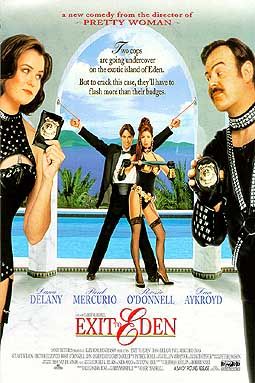
“Exit to Eden” was the next release to come from Savoy. Based on the book of the same name, the movie features sexual undertones including the BDSM kink. The film starred Dana Delaney, Paul Mercurio, Rosie O’Donnell (Another Stakeout) and Dan Aykroyd (My Girl). With a budget of $25-30 million it was another failure as it only recouped $6,841,570 in box office revenue. However, the film has risen to cult status over the years.

“The Walking Dead”, no not the very much loved AMC series was the next release from Savoy. A war film that starred Allen Payne, Joe Morton and Eddie Griffin. The budget is unknown at the moment, and the revenue in box office sales is reportedly $6,014,341. Speculating another box office flop.
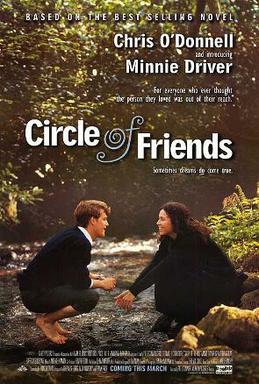
“Circle of Friends” based on the best-selling novel was a surprising box office hit, another title Savoy merely distributed in the US. Grossing $45 million against its $15 budget. The film starred Chris O’Donnell (The Bachelor), Colin Firth (The King’s Speech) and Minnie Driver (TV’s Speechless)
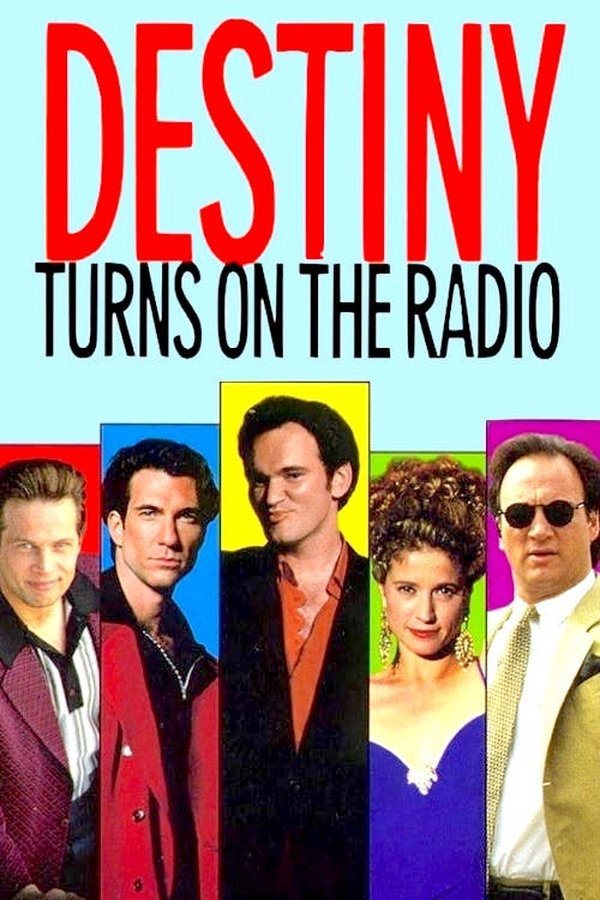
The next title is one of a few films Savoy distributed in a deal with Rysher Entertainment n.k.a Vine Rysher Company LP. Starring Dylan McDermott, Nancy Travis (So I Married an Axe Murderer), Jim Belushi (Race the Sun), and James LeGros. The film was a financial disaster for both Savoy and Rysher as it had only earned $1,176,982 at the box office. The film was never released onto DVD or Blu-Ray, but it is available to stream from Paramount Pictures whom is the current distributor for Vine Rysher content.

The next title was “Tales from the Hood” a horror flick, that featured four segments about short urban-themed horror stories based on problem concepts that affect the African-American community in the order of police corruption, domestic abuse, institutional racism and gang violence; all presented within a frame story of three drug dealers buying some “found” drugs from an eccentric and story-prone funeral director.and an ensemble cast. Grossing $11.8 million on a $6 million budget, the film has risen to cult status over the years.

“Dr. Jekyll and Ms. Hyde” was the next release from Savoy, and starred Sean Young (Ace Ventura: Pet Detective), Tim Daly (Year of the Comet), Lysette Anthony and Harvey Fierstein (Mrs. Doubtfire) A British-Canadian-American comedy film which was produced on an $8 million budget, the movie flopped after its total revenue came to $3,039,634. The film also suffered negative critical reception.
The next film was the second in the Rysher deal, called “The Show” which was an American documentary film. Which featured interviews of some of hip hop’s biggest names, and narrated by Def Jam Records founder Russell Simmons who also starred in the film. Another financial flop for both companies as it earned only $2,702,578.

“Last of the Dogmen” was the next release and was distributed outside the US by Pathé. It starred Tom Berenger, Barbara Hershey (Beaches) and Kurtwood Smith (TV’s That ’70s Show), and features narration by Wilford Brimley. The film’s budget is not known at the moment but it is speculated to be a box-office flop as it only earned $7,024,389. Causing both Savoy and Pathé to lose money.
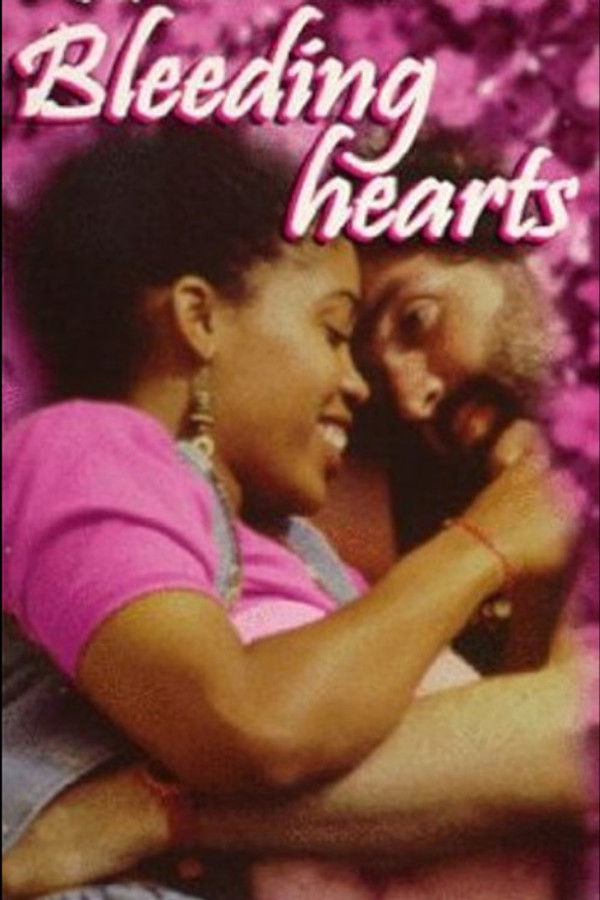
“Bleeding Hearts” was the next release, but there currently is no information the budget or the box office revenue. It is widely speculated that the film’s information is not known because it depicts racial undertones. However, as of 2017 Focus Features has not made any intention to release this film.

“Steal Big, Steal Little” was Savoy’s next title to be released. Featuring Andy Garcia, and Alan Arkin in dual roles and an ensemble cast featuring David Ogden Steirs (Beauty and the Beast) and Holland Taylor (TV’s Two and a Half Men). The film was another box office disaster only bringing in $3,150,170 on a $35 million budget.
Another film in the Rysher deal was “Three Wishes” which was directed by Martha Coolidge (Valley Girl). The film features Patrick Swayze (To Wong Foo Thanks For Everything, Julie Newmarr), Mary Elizabeth Mastrantonio, and Joseph Mazzello. The film was a box office flop on a budget of $10 million, only bringing in $7,025,496.
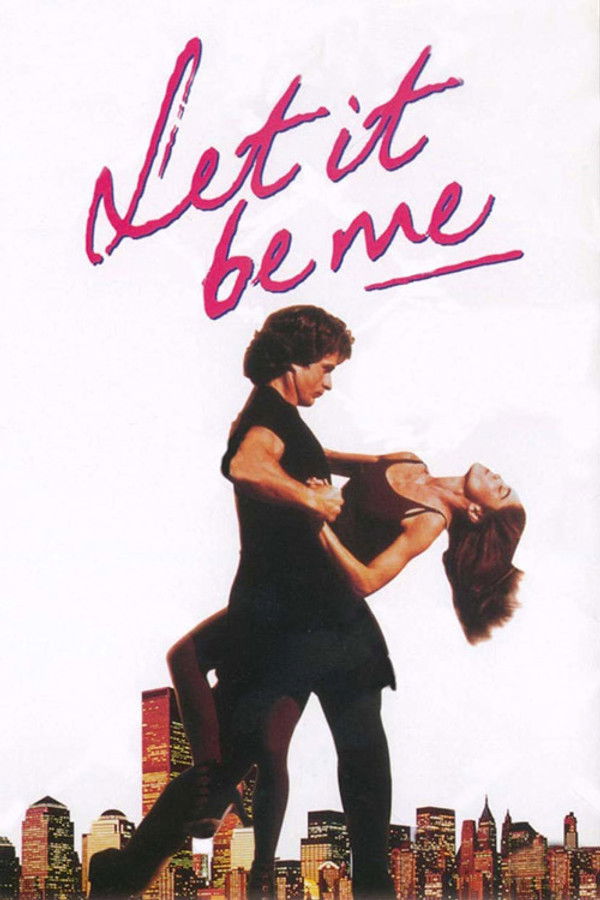
“Let it Be Me” was the next Savoy title to be released. starring Campbell Scott, Jennifer Beals, Yancy Butler, Leslie Caron, James Goodwin and Patrick Stewart. It was written and directed by Eleanor Bergstein. The film’s budget and box office revenue are currently unknown at the moment.
“White Man’s Burden” is the final film in the deal with Rysher Entertainment and co-produced with UCG (now owned by StudioCanal). Starring John Travolta (FaceOff), Harry Belafonte (Beetlejuice soundtrack) and Tom Bowler. The film was another financial disaster as it only brought in $3,760,525 against a $7 million budget. Rysher would later find itself in financial trouble two years later.
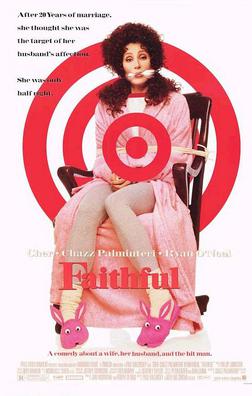
“Faithful” would be the next release from Savoy, and the first of many to be financed with aid from New Line Cinema. It starred Cher, and was based off the stage play of the same name. With a budget of $13 million the movie failed to recoup that budget only earning $2,104,439.

“A Thin Line Between Love and Hate” was the next Savoy film. Starring Martin Lawrence (who also co-wrote and directed the film), Lynn Whitfield, Regina King, and Bobby Brown. The film was a box office success as it earned $34.7 million against a budget of $8 million.
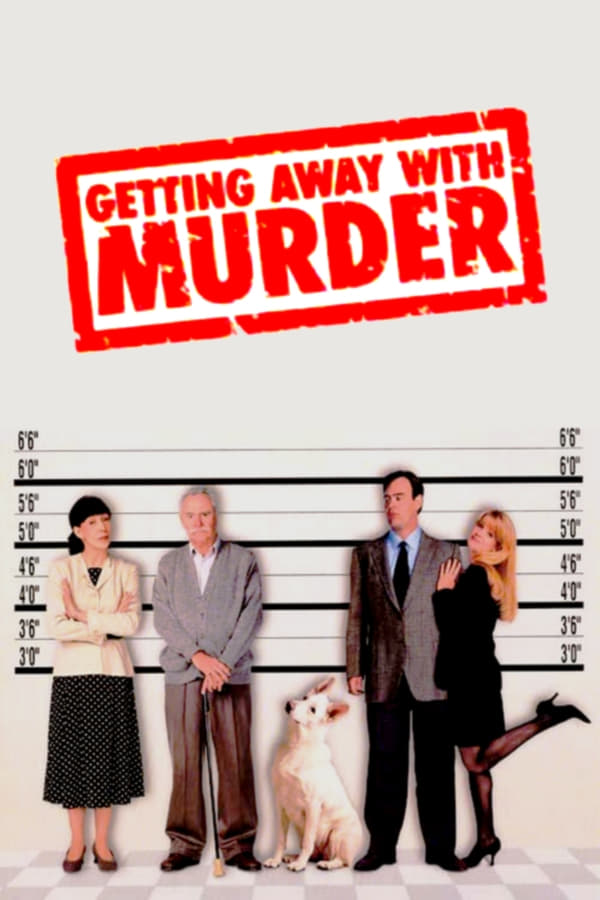
“Getting Away with Murder” would be the next release from Savoy. It starred Dan Aykroyd, Lily Tomlin (9 to 5) and Jack Lemmon. The budget is currently non-applicable, but the box office sales only made about $197, 322 making it a failure.

“Heaven’s Prisoners” would not fare much better at the box office. The movie was based on the novel of the same name by James Lee Burke, starred Alec Baldwin (The Marrying Man), Mary Stuart Masterson and Kelly Lynch. Despite earning $5, 009, 305 against a $25 million budget the film would spawn a sequel in 2009, titled “In the Electric Mist”

Savoy then tried its hand at a family friendly movie, “The Adventures of Pinocchio” which starred Martin Landau, Johnathan Taylor Thomas (The Lion King), and Rob Schneider. It would also be the first and only film co-produced by The Kushner-Locke Company, however New Line Cinema ended up owning it outright as Savoy was the international distributor. Another box office flop earning only $15, 094, 530 against a $25 million budget.
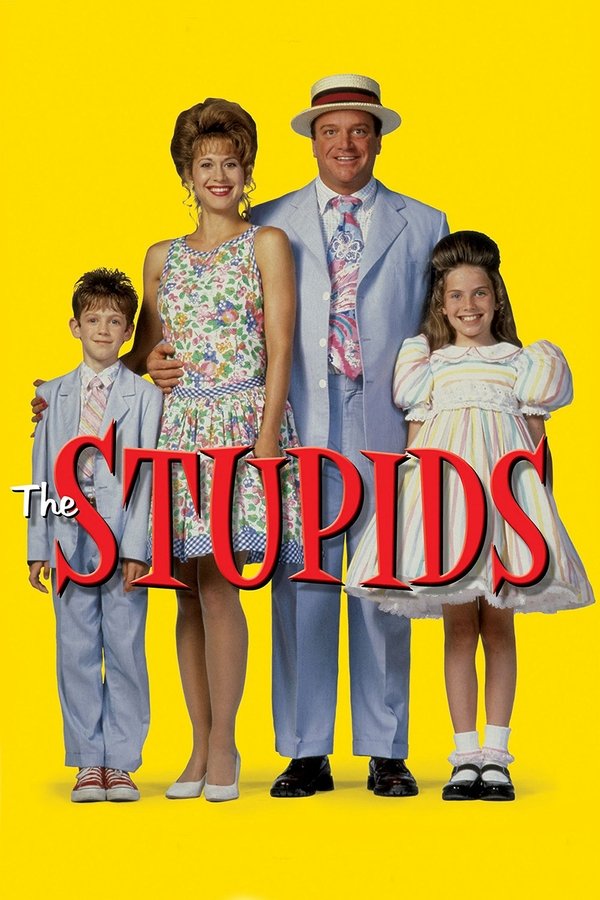
“The Stupids” would be the final Savoy title released by the company. Based on a series of books by Harry Allard, and starring Tom Arnold (McHale’s Navy), Jessica Lundy and Bug Hall (The Little Rascals). The film earned only $2,491,989 against a budget of $25 million. Making it a financial and critical failure, and would be the one film that would cause Savoy to close down.

“A Simple Plan” would be the last title to bear the Savoy name, amidst financial struggles the title was acquired by Paramount Pictures and co-produced by Mutual Film Company, BBC, Tele-München UGC-PH Toho-Towa/Marubeni and Newmarket Capital Group. It was also based on the book of the same name by Scott B. Smith, starring Bill Paxton (Twister), Billy Bob Thornton (Bad Santa) and Bridget Fonda. Grossing only $16.3 million against a $17 million budget.
Throughout its five year run the company managed to release 25 films, one of which was released at the time the company closed, most of which were not successful. So what went wrong? Initially the budget for films was set between $12-25 million investing in up to $15 million per year. There was also a lack of stability as its main competitors New Line Cinema and Miramax Film Corp. were bought out by majors, Turner Broadcasting and The Walt Disney Company, respectively. Savoy focused on low-budget films and the occasional blockbuster, costing up to $80 million. An attempt to lure Sylvester Stallone with a then-hefty $20 million paycheck to star in a studio project failed.
In January 1995 management changed and Robert N. Fried was brought in to run the motion picture studio. Fried brought in executives Alan Sokol, Bob Levin, Cathy Schulman, Stan Brooks, Stan Wlodkowski and filmmakers Sam Raimi, and George Tillman, Rob Weiss and Peter Chelsom. In September 1995, Kaufman announced that he was cutting back on his interest in the motion picture business and was re-positioning the company as a TV station holding company. In order to make money Savoy announced it would sell fourteen titles, six of which went to New Line Cinema and one to Paramount Pictures.
Then in December 1995 IAC/Interactive Corporation ran by Barry Diller announced its intentions to acquire the company. The deal was completed in 1997 and Savoy shut down as a studio and Victor Kaufman became Vice Chairman of the board of directors of IAC. Silver King Broadcasting later known as USA Broadcasting acquired the SF TV stations. Due to an ongoing deal with HBO set back in 1994 many of the Savoy titles were handled by it’s video division under a joint name HBO Savoy Video.

The deal with HBO only lasted for twelve years ,upon its expiration Universal Studios entered the picture. Acquiring nearly all of the Savoy content, and incorporating it into its art house/indie division, Focus Features. Although not every title has been re-issued through Focus the films are now legally held by Universal. Savoy’s copyrights are kept as in-name on its films and they are now accessible through video-on-demand services except for a few titles.
Savoy may not have last very long, but it was an ambitious company. Plagued with changes in managements a lack of stability and re-positioning. The remnants of the company are better off with Universal. Folding Savoy into Focus Features allowed for the studio to have a vast catalog of titles, among PolyGram, October Films and FilmDistrict. What do you think was the Universal acquisition a smart idea? Feel free to express your thoughts, and I’ll see you in the next blog post.
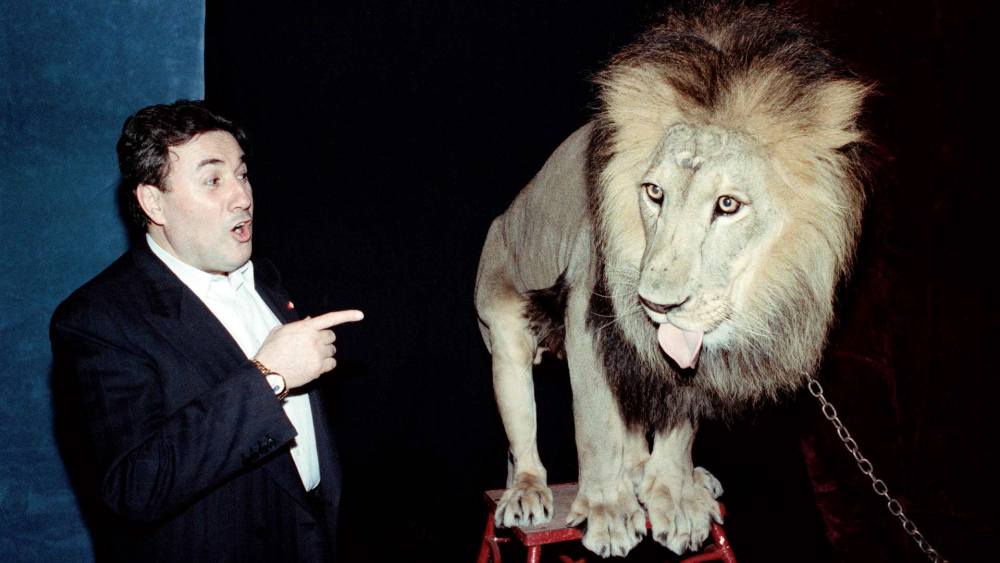
By 1994 Crédit Lyonnais was starting to falter, their most notorious client was Giancarlo Parretti. Parretti was a financier and in 1989 he had acquired a controlling interest in indie studio The Cannon Group renaming it as Pathé Communications, as he intended to take over the French studio Pathé. However, the French government blocked his bid due to concerns about his background In 1990 he was able to acquire Metro-Goldwyn-Mayer with financial aid from Time Warner and Turner Entertainment Co, with a line of credit provided by Crédit Lyonnais Bank, N.V. (the Dutch branch of the bank that handled loans given out to independent filmmakers.) Upon the approval of the merger he laid off a majority of the financial staff and appointed his daughter Valencia to a financial position.
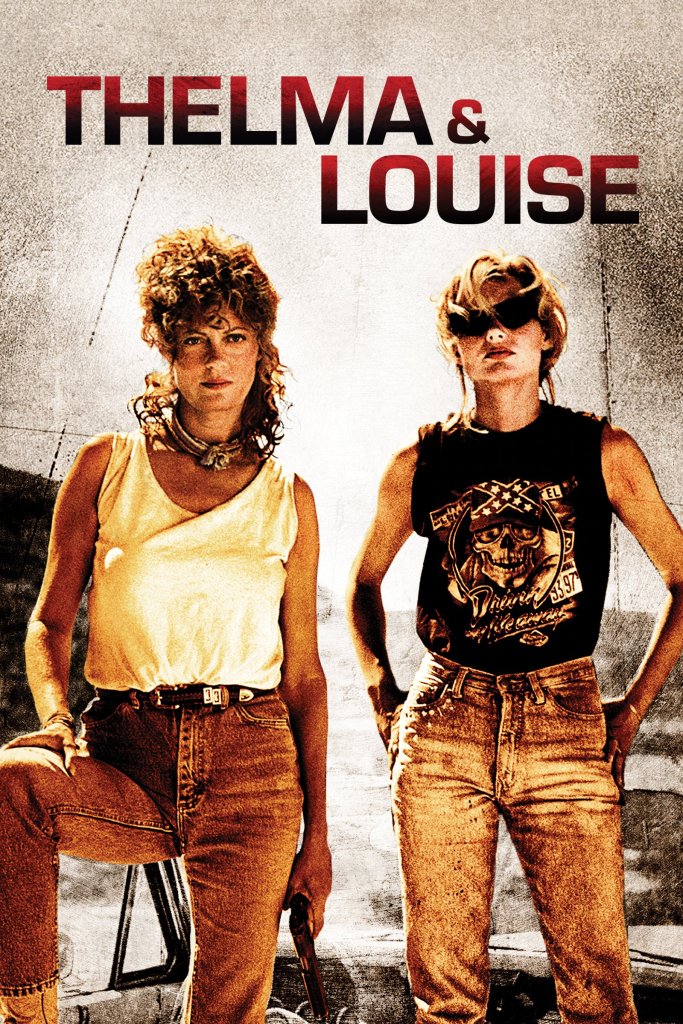
After Parretti was put in charge chaos began to erupt at MGM, a bounced check to Dustin Hoffman, a delayed opening of “Thelma & Louise” and an unpaid loan owed to Sean Connery. More problems arose when it was discovered that Parretti didn’t pay laboratory bills, creditors, and would use studio earned money for his own needs, like showering girlfriends with gifts. By March 1991 MGM was looking at a lawsuit against its clients as they had been unpaid.
The studio almost filed for chapter 7 bankruptcy, and Crédit Lyonnais refused to help supply needed funds unless Parretti was ousted. Former president Alan Ladd, Jr. was brought in to replace Parretti, and named James Kanter as Chief Operating Officer. This change in management saved from MGM from bankruptcy. Ladd and Parretti were in a bitter power struggle, upon discovering he was trying to regain control of MGM, Crédit Lyonnais announced that they would seize full control of the studio on June 17, 1991.
Parretti himself would later face securities fraud charges in the United States as well as Europe. On the verge of bankruptcy Crédit Lyonnais announced it would foreclose on the studio in 1992, and MGM-Pathé became merely a subsidiary, then was reverted back to its original name Metro-Goldwyn-Mayer. Parretti had attempted one last time to gain control of the company, by insisting they sell off key assets to generate revenue to pay off outstanding loans and debts owed to the bank. The committee declined due to concerns over the price adequacy of the portions of the company Parretti wished sold.
Management at MGM switched again this time the bank brought in former Paramount Pictures executive Frank Mancuso, Sr. to replace Ladd, Mancuso brought in Michael Marcus to head MGM and former Warner Bros. executive John Calley as head of the new United Artists. 1994 was another troubled year for the bank as it had decided to close down its Epic Productions company. As a result of that the bank ended up owning titles and various rights to the studios it had lent money out to. Three years prior the bank had also acquired a junk bond interest in the life insurance company Executive Life via its Altus Finance unit.
The deal with Parretti put a severe financial strain on the bank, and by 1995 it was forced to undergo reorganization. The debt was so crippling that the French government had to call for a bailout. Not to mention there had been a few lawsuits against the bank, including one involving breach of contract, racketeering, fraud and equitable subordination filed by US client Hemdale. The bank would later restructure and sell off its assets that were superfluous, and formed a firm known as Consortium de Realistaion (Consortium of Realization) which would manage the copyrights and international rights to any titles that were acquired by Epic in 1993/1994.
Consortium of Realization was a library of 1,000 motion pictures, which included Atlantic Releasing Corporation/Island Films, Sherwood Productions/Gladden Entertainment, the home video rights to the Embassy Pictures titles and Castle Rock films as well as the copyrights to Nelson films. In 1996 it was announced that the bank would sell off MGM and this library, as obligated by US laws. Movie mogul Kirk Kekorian acquired the movie company for a third time now through an investment, he had taken control of it prior to Parretti back in 1986 when it was sold by Ted Turner.
Crédit Lyonnais then put the CDR/Epic library up for sale, MGM was one of the bidding companies. Behind Live Entertainment and The Walt Disney Company, but all three would eventually be outbid by UK based PolyGram Filmed Entertainment who acquired the Epic titles for $225 million.
Crédit Lyonnais’ days as a movie financier were over, and the bank never recovered its reputation after this widely known scandal. But, despite it independent filmmakers are still around and by 1995 some of them learned that they could get financing elsewhere. Several companies had formed at the time including Rysher Entertainment and Savoy Pictures. In the next part we will discuss the aftermath of this scandal and how US laws were changed to avoid this from happening again.
Castle Rock, Epic, Hemdale and Carolco what did they all have in common? The answer is simple, they all were independent studios that made films without any executive meddling by Hollywood or major film companies. The biggest issue was financing, as back then not many North American banks were willing to loan money to independent filmmakers. What was the solution to this dilemma? It was an easy answer, find a foreign creditor. In this blog post we are going to discuss how a historical bank made and broke its clients through debt and high interest.
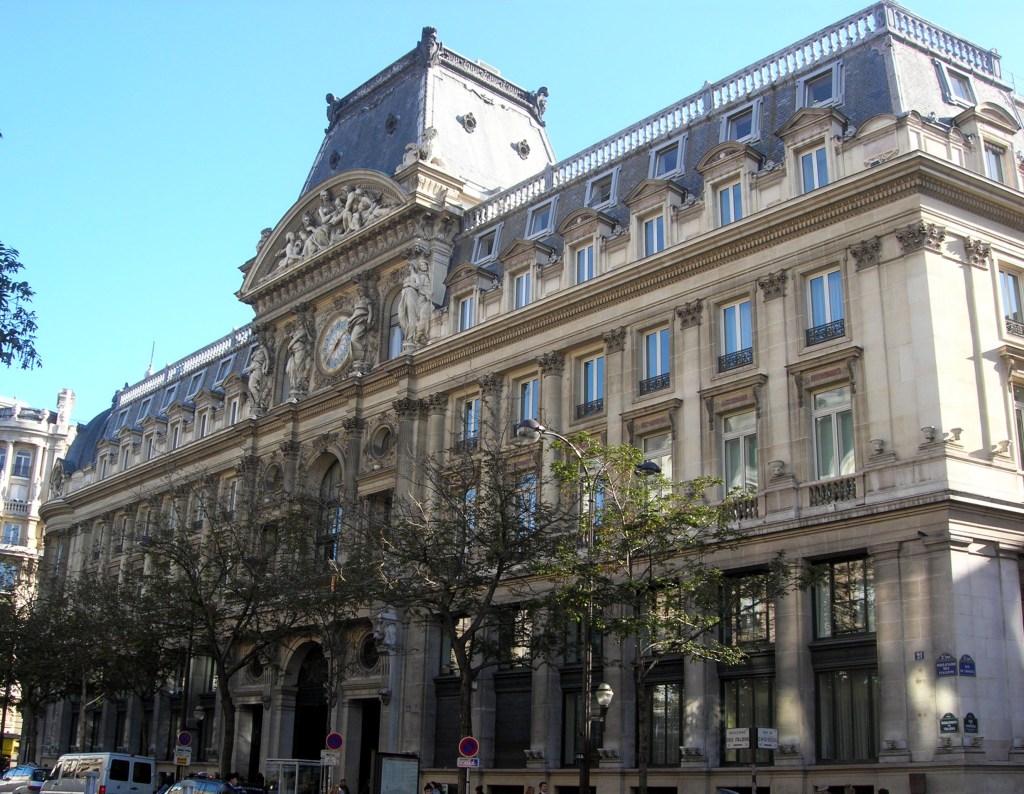

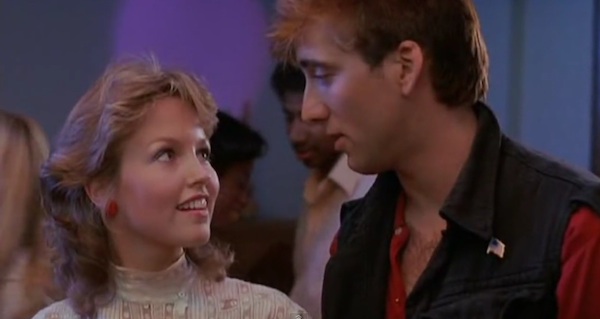
That’s where we go to Crédit Lyonnais Bank, a French-state bank, CL had already dabbled in film-making as it had launched and managed Atlantic Releasing Corporation a.k.a Atlantic Entertainment Group. The company was most famous for its foreign productions. By 1983 the company shifted its focus to small budget indie films including the theatrical release “Valley Girl” which starred Deborah Foreman and Nicolas Cage. The movie essentially took the plot of William Shakespeare’s “Romeo & Juliet” and retold it in then modern day Valley California. The film was produced on a budget of $350,000 USD, and was able to earn $17,343,596 at the box office. The film turned a profit for both ARC and the bank.
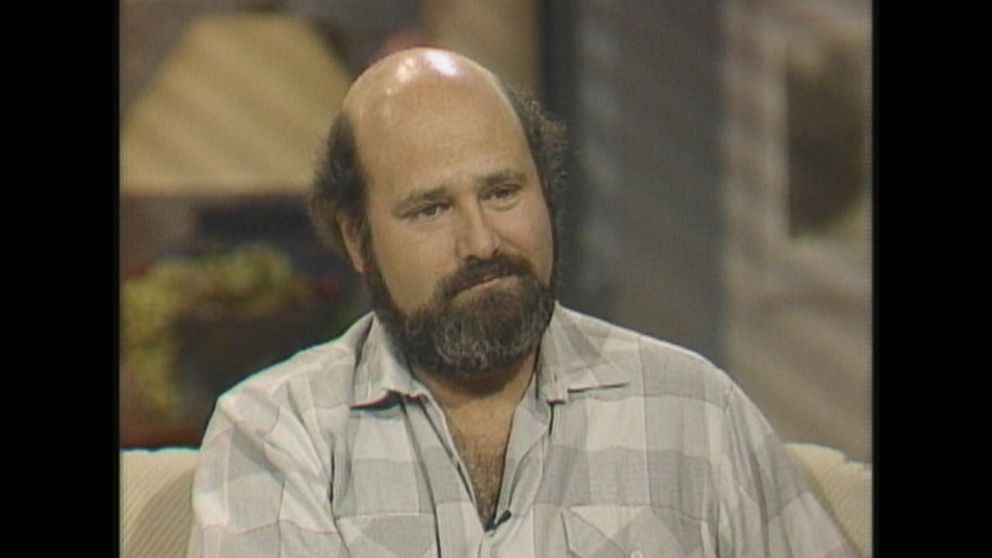
Rob Reiner had just come off the success of “All in the Family”, and tried his hand at film directing. In 1984 he released “This Is Spinal Tap” a mockumentary film, that satirizes the behavior and musical pretensions of rock bands and the hagiographic tendencies of rock documentaries such as “Gimmee Shelter” and “The Last Waltz” After the success of his second film “The Sure Thing” a film starring John Cusack he tried his hand at adapting the works of Stephen King. After purchasing film rights to the novella “The Body”, the project was stalled. This was because it was originally set up by Embassy Film Associates, who at the time had been sold to The Coca-Cola Company.
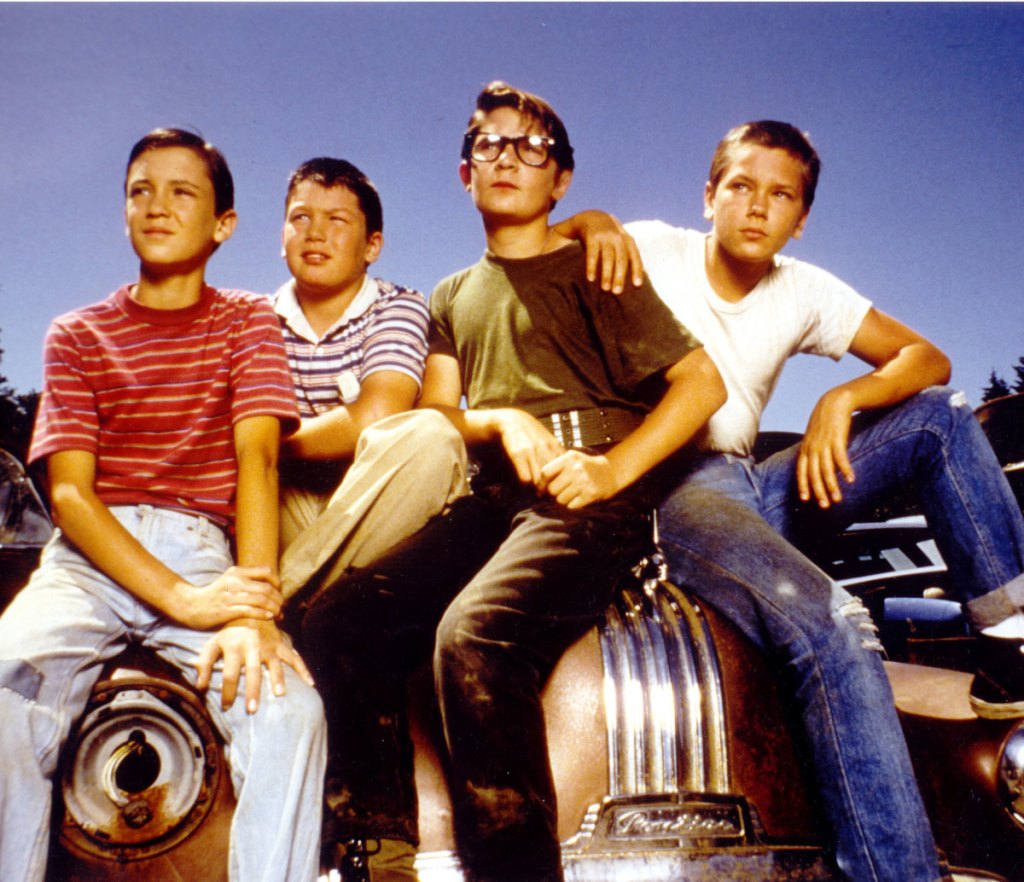
The film was titled “Stand by Me”, seeing as Reiner was displeased with the original title as he worried it’d alienate audiences. Initially, Columbia wanted to cancel the film but thanks to the efforts of television sitcom veteran Norman Lear the film was completed. The only challenge that was present was finding a distributor, seeing as it was completed Embassy would wind up as the distributor. A film print was shown to Michael Ovitz, head of the Creative Artists Agency and he agreed to find a distributor.
After attempts to sell the rights to Paramount Pictures, Universal Studios and Warner Bros., Columbia Pictures ended up distributing the film after production head Guy McElwaine had screened the film and was convinced due to the positive reaction from his daughters. On August 22, 1986 the film opened wide to critical acclaim. An $8 million budget, and a $52.3 million box office convinced Reiner that he could establish his own production company. “Hoosiers” also opened that year and proved to be successful for both Hemdale Film Corp and US distributor Orion.
The following year Reiner launched Castle Rock Entertainment, with the help of Andrew Scheinman, Glenn Padnick and Alan Horn. The company received financial backing from The Coca-Cola Company via Columbia Pictures, who also agreed to pay for North American theatrical distribution as well as marketing. Unable to get funding necessary for filmmaking, Reiner looked to two companies for financial aid. Group W and Nelson Entertainment. In the end Nelson Entertainment would help co-finance Castle Rock pictures. 1987 also saw another theatrical success for an indie film “Dirty Dancing” released by Vestron Pictures brought in $214.6 million on a $5 million budget.
Nelson Entertainment was a division of Nelson Holdings International, Inc. a Canadian holding company. The division formed in 1985 after the acquisition of Galactic Films and the company was ran by film producer Barry Spikings, and financier Richard Northcott. In 1986 when Embassy Communications’ assets were divided, Spikings and Northcott acquired the home video division from Coca-Cola for $85 million. This acquisition allowed Nelson to have the home video rights to an abundance of titles from Embassy including a few foreign titles they had acquired for North American release. Through this acquisition Nelson was able to get the rights to “A Chorus Line”, “The Graduate” and John Carpenter’s cult classic “Escape From New York”, and was able to resell these titles at cheaper prices through sell-through promotions.
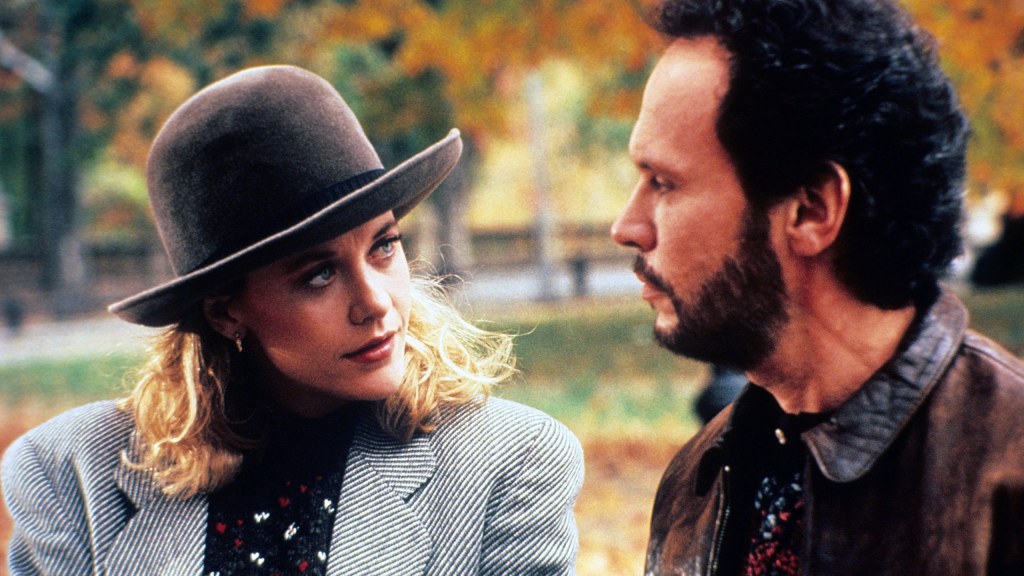
The Castle Rock-Nelson deal allowed Nelson to handle the home video, international rights to the films CR released. Nelson also handled the home video sales for Reiner’s 1987 film “The Princess Bride.” Probably the most well-known film to come from Castle Rock and Nelson’s deal is the 1989 romantic-comedy “When Harry Met Sally…” which stars Billy Crystal and Meg Ryan. This would be one of the few films that would turn a profit for Castle Rock, Nelson and Crédit Lyonnais. This would also be the year De Laurentiis Entertainment Group would foreclose due to bankruptcy. Nelson would also reach an agreement with Orion Pictures for a few films as well as home video sales for past and future Nelson titles.
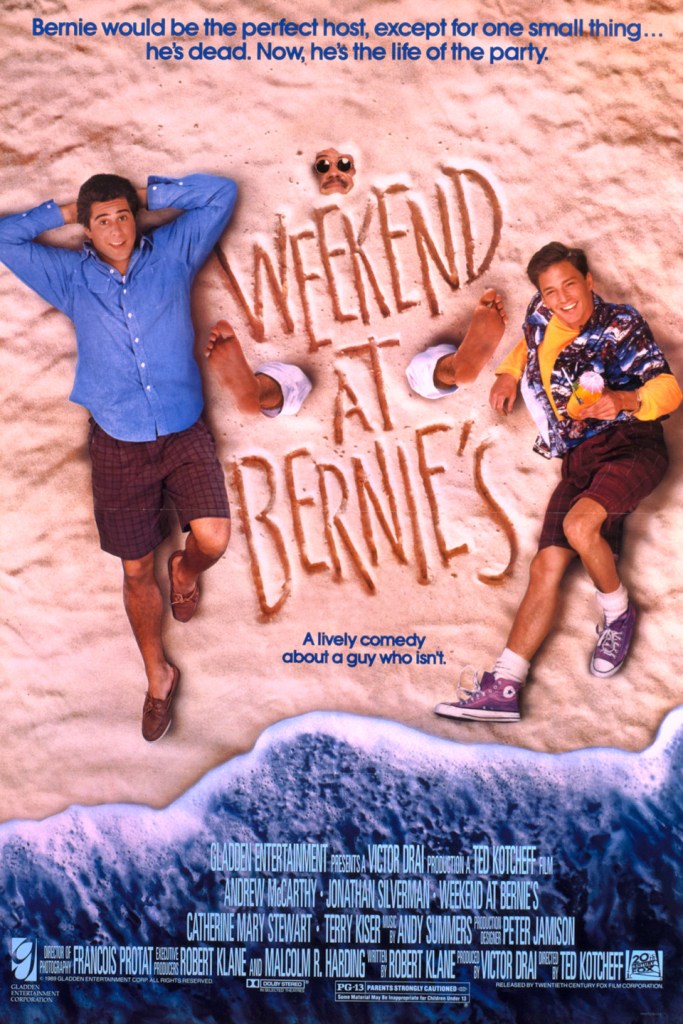
Another 1989 hit was the slapstick screwball comedy “Weekend at Bernie’s”, which managed to earn back $30 million on a $15 million budget. Coming from Gladden Entertainment Corp., a company that was ran by David Begelman who had taken full control of the company in 1984 renaming it from Sherwood Productions. 1993 would be a troubled year for the company, but we will discuss that later. 1989 also saw a modest box office run for “All Dogs Go to Heaven” a Don Bluth animated film funded by United Artists. Many other notable films to come from this era included “Rambo” as well as “The Terminator” and “Troop Beverly Hillis”, while the first two were successful the other wasn’t but has become a cult classic over the years.
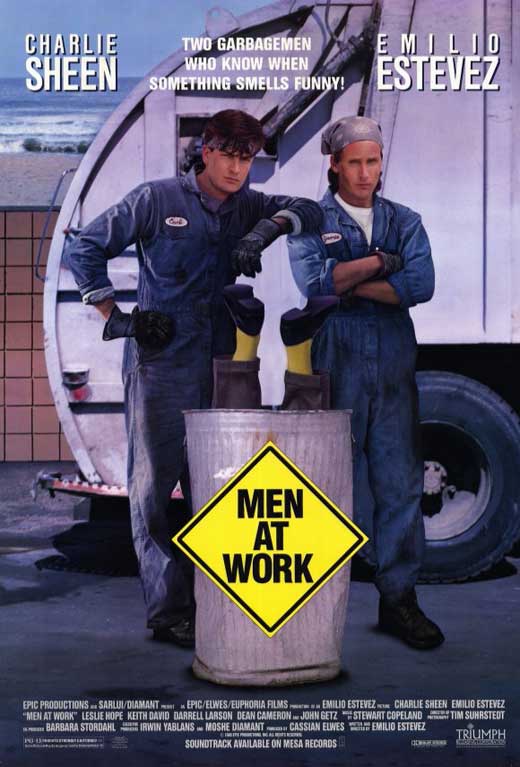
1990 would see another indie studio turn a profit, as Epic Productions’ “Men at Work” opened on August 24, 1990. Distributed by Sony Pictures’ boutique label Triumph Releasing Corporation. The film would feature real life siblings Charlie Sheen and Emilio Estevez as two sanitation engineers who try to cover up a murder and end up discovering that it was caused by an environmental disaster. Other 1990s hits included “Misery” (Castle Rock), “Total Recall” (Carolco) and “Teenage Mutant Ninja Turtles” (New Line Cinema)
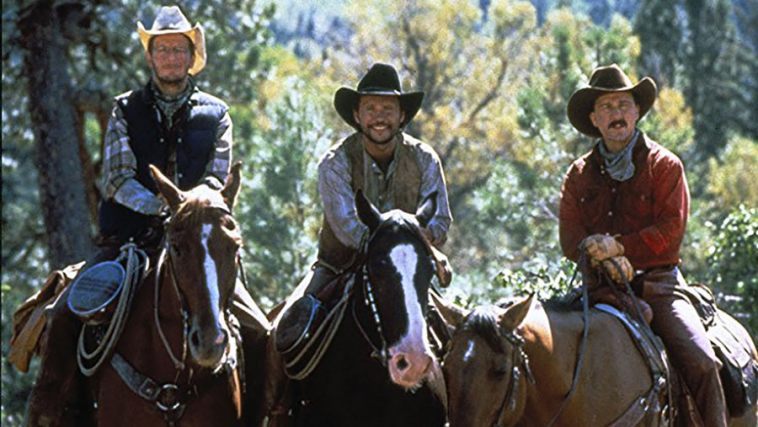
By 1991, Crédit Lyonnais had been able to loan out money to more than five studios, including Hemdale, Weintraub, and even Trans World Entertainment. This would also be the year that the bank would push a merger involving Nelson, and New Line. “City Slickers” also made its theatrical debut on June 7 that year. Produced on a budget of $26 million, it broke the box office with $180 million in revenue. Proving to be another hit film for Castle Rock. It would also be the final Castle Rock film to bear the Nelson name, as the company abruptly re-branded as Sultan and sold its assets to New Line Cinema.
1991 also saw the fall of Vestron, a client of the bank. However, through a successful chapter 11 bankruptcy the company merged with IVE Entertainment (who held home video rights to the Sherwood/Gladden library) to form Live Entertainment. Other films to come out in the year included “Late for Dinner” (Castle Rock) and “The Taking of Beverly Hills” (Nelson) but these films failed to make a profit. A string of box office failures put the fate of Nelson’s catalog into bad standings. 1992 would later see the release of what is now a highly controversial political film “Bob Roberts”
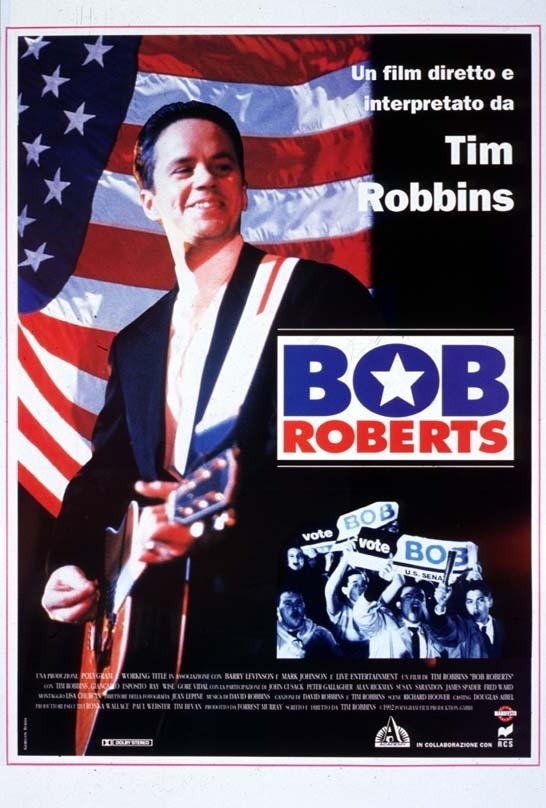
“Bob Roberts” was not a financial success, but it was critically acclaimed. The film was a loss for PolyGram Film Productions, Miramax, Live and its North American distributor Paramount Pictures. 1992 also saw a bad year for Castle Rock, its only film to turn a profit was “A Few Good Men” which was co-produced by Columbia. The box office sales for “Year of the Comet”, “Honeymoon in Vegas” and “Mr. Saturday Night” were underwhelming among the company’s ongoing debt. Competition from films like “The Player” (Fine Line Features) as well as “A League of their Own” (Columbia Pictures) were a key factor as well.
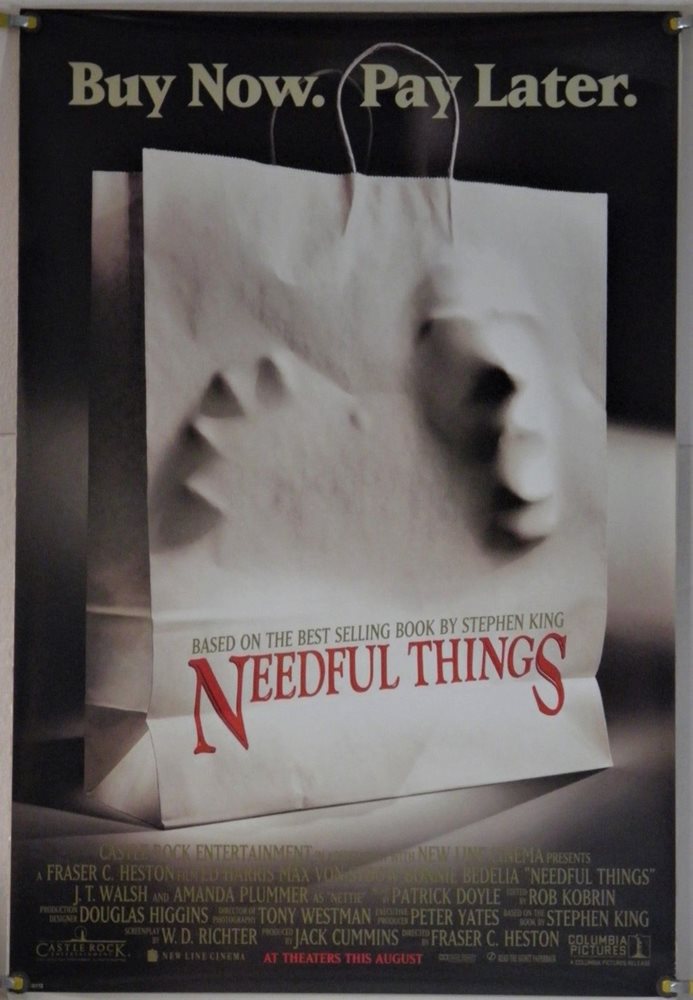
1993 saw another crippling year for independent filmmakers. Of the films to come from Castle Rock this year were “Amos & Andrew”, “In the Line of Fire”, “Malice” and “Josh and S.A.M” as well as “Orlando” from competitor Sony Pictures Classics. “In the Line of Fire” (a co-production with Columbia Pictures) and “Malice” were both a success, while “Josh and S.A.M” was not. As of 2019 it is Castle Rock’s lowest grossing film at the box office. 1993 also saw a change in both Castle Rock and New Line Cinema. Both were acquired by Turner Broadcasting System, and were finally free from the deal with Crédit Lyonnais. Also beginning that year Epic Productions would begin to acquire titles from defunct clients of the bank in exchange for debt forgiveness.
I hope you enjoyed my rambling about the bank and its successful way of getting clients. In the next segment I will discuss what happened after the bank itself fell into trouble. Stay tuned…
This is an example post, originally published as part of Blogging University. Enroll in one of our ten programs, and start your blog right.
You’re going to publish a post today. Don’t worry about how your blog looks. Don’t worry if you haven’t given it a name yet, or you’re feeling overwhelmed. Just click the “New Post” button, and tell us why you’re here.
Why do this?
The post can be short or long, a personal intro to your life or a bloggy mission statement, a manifesto for the future or a simple outline of your the types of things you hope to publish.
To help you get started, here are a few questions:
You’re not locked into any of this; one of the wonderful things about blogs is how they constantly evolve as we learn, grow, and interact with one another — but it’s good to know where and why you started, and articulating your goals may just give you a few other post ideas.
Can’t think how to get started? Just write the first thing that pops into your head. Anne Lamott, author of a book on writing we love, says that you need to give yourself permission to write a “crappy first draft”. Anne makes a great point — just start writing, and worry about editing it later.
When you’re ready to publish, give your post three to five tags that describe your blog’s focus — writing, photography, fiction, parenting, food, cars, movies, sports, whatever. These tags will help others who care about your topics find you in the Reader. Make sure one of the tags is “zerotohero,” so other new bloggers can find you, too.

 Bestower of Film Knowledge